
Expert diagnosis and treatment for thoracic and respiratory conditions, supporting your breathing and quality of life.
Home » Do I have a breathing disorder?
Quick links:
This questionnaire comes from the Australian Lung Foundation and will help you to determine whether your lung health could be at risk. If you answer yes to any of the questions below you should seriously consider talking to your doctor:
Do you:
Answering Yes to any of the above could be a sign your lung health could be at risk…particularly if you are a smoker or ex-smoker, or you have worked in a job that exposed you to dust, gas or fumes.
If you believe you are at risk of a respiratory disorder, take the responses from this questionnaire to your doctor as it will assist you in starting the conversation with them. They may refer you to our lung function lab for further testing or to one of our specialists for a consultation.
*This Lung Health Checklist has been designed by The Australian Lung Foundation to assist the community in monitoring their lung health. It is intended to be used as a guide only and is not an authoritative statement. Please consult your doctor for medical opinion or advice.
Think of how you feel today compared to 6-12 months ago. Do you get breathless (or feel more breathless), feel faint or dizzy performing ordinary daily activities such as:


Stay informed with expert tips, research updates, and wellness insights from our team of respiratory and sleep medicine professionals.
Blog of the Week

We’ve all wondered how much sleep we should be getting each night. Last May, a
Recent
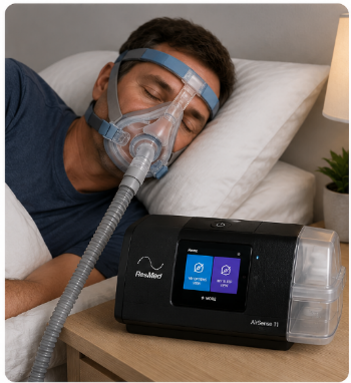
Obstructive Sleep Apnea (OSA) is a prevalent condition where upper airway collapse leads to repetitive

Narcolepsy Narcolepsy is a chronic sleep disorder characterized by excessive daytime sleepiness occurring alone or
We’ve all wondered how much sleep we should be getting each night. Last May, a
What is the glymphatic system? The glymphatic system is a brain-wide perivascular network that allows