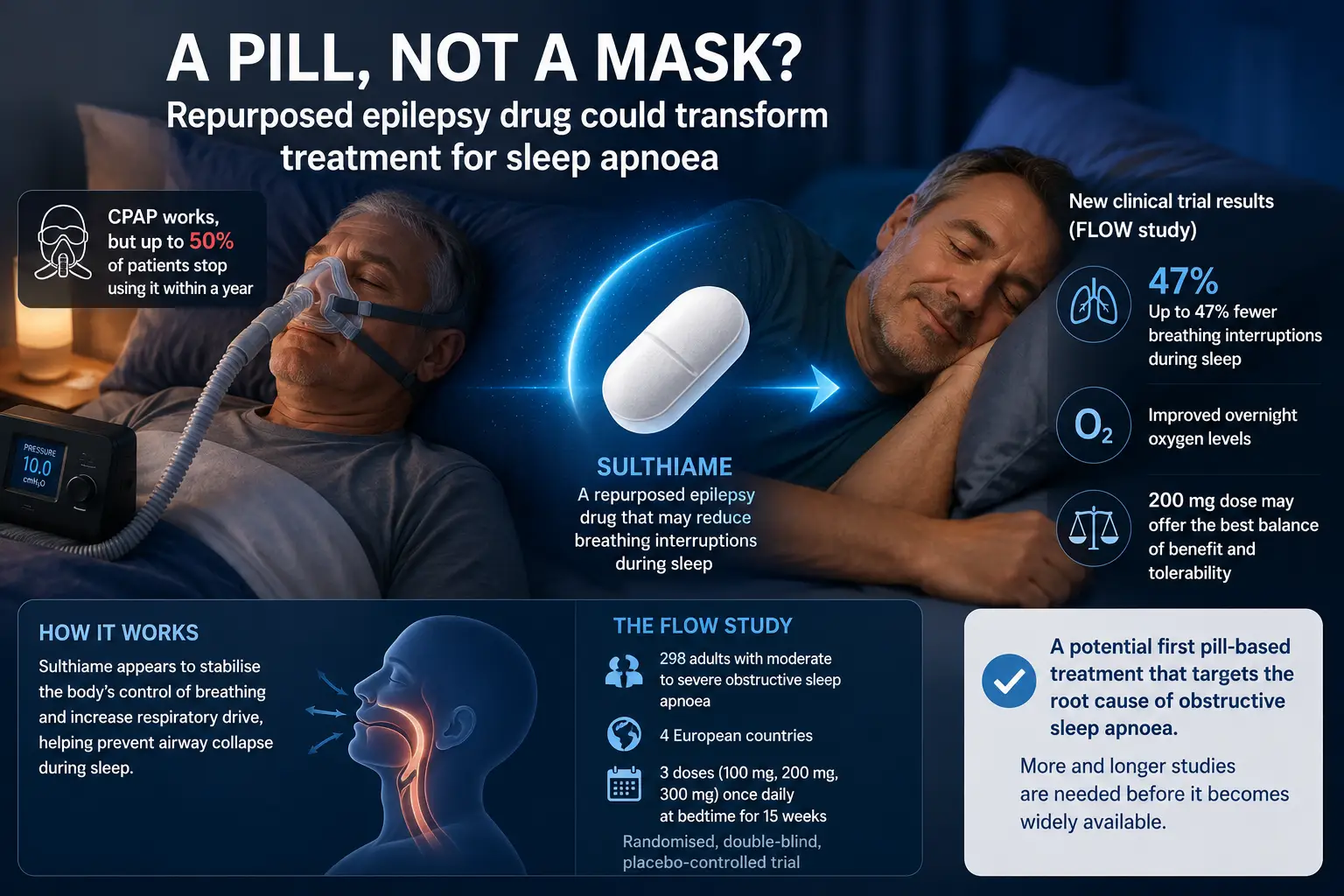

If you have had symptoms of, or have been diagnosed with Obstructive Sleep Apnoea Syndrome (OSAS), you know it can affect your health and lifestyle. Symptoms range from excessive daytime sleepiness to difficulty performing tasks at home and at work. OSAS can also lead to high blood pressure and other heart problems. Obstructive Sleep Apnoea is a common sleep disorder. It can have a severe effect on your health and lifestyle. Loud, frequent snoring is one of the most common signs of this problem. OSA often causes excessive daytime sleepiness. This can harm both your performance at work and your quality of life. Research shows that OSA also can lead to high blood pressure and other heart problems.
OSA involves the partial or complete collapse of the airway during sleep. It can occur hundreds of times in one night. The process that results in a blocked airway during sleep is rather complicated. It starts when the muscles in the throat relax as you sleep, making it more likely that the airway will collapse.
As you breathe in, the lungs create a negative pressure so they can pull air through the narrow airway. The pressure may cause the breathing passage to collapse. This is much like a straw that flattens and collapses if you pinch one end closed while sucking on the other end. With the airway blocked, no breathing occurs and oxygen levels drop. Your brain then wakes up your body to restore your breathing. These brief, repeated arousals cause your sleep to be unrefreshing.
Proper treatment can prevent the serious effects of OSA. There are a number of treatment options for you and your doctor to consider. Correcting OSA may involve one or more of the treatments outlined on this site.