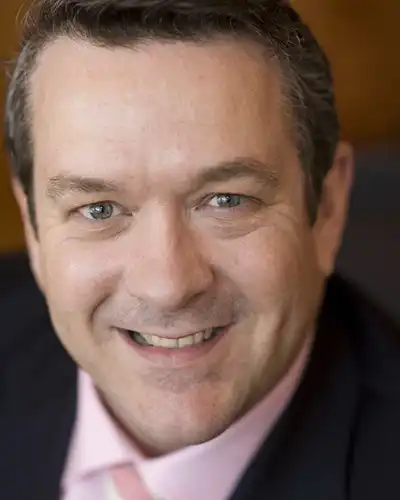
Dr Andrew Scott is a Thoracic and Sleep Physician plus CEO and Director of Thoracic and Sleep Group (Qld).
He has 15 years experience in Sleep Medicine, having worked in major sleep units in Brisbane, Sydney and Cambridge (UK).
He is Medical Director of The Wesley Hospital Pulmonary Rehabilitation Programme with a team including nurses, physiotherapists, occupational therapists, pharmacist and clinical psychologist.
He has published in the areas of sleep medicine, infectious diseases of the lung, thoracic oncology, transplant medicine, cystic fibrosis, autoimmune lung disorders and thoracic surgery. Research in these areas has been presented at medical conferences in North America, Europe, U.K and throughout Australasia.
He has also practiced in the area of lung transplantation developing skills in complex interventional bronchoscopy including airway stenting and laser therapy. He is a Senior Lecturer in Medicine with the University of Queensland.
Dr Scott continues to maintain daily clinics with one of the busiest private practices in Thoracic and Sleep Medicine in South East Queensland.