
Understanding and managing sarcoidosis.
Home » Sarcoidosis
Quick links:
Sarcoidosis causes small inflammatory masses or nodules (known as granulomas) to form mainly in the lungs and chest lymph glands but can affect the eyes, liver, heart and brain as well.
Granulomas are groups of immune cells, which are normally part of the body’s defence system. These granulomas might alter the structure or function of the organs involved. Often there are no symptoms, however some people may have a cough or chest discomfort, tiredness, breathlessness, dry mouth, sore eyes and skin rashes. Some patients develop tender, red lumps on their shins or ankles called erythema nodosum.
The lungs are affected in about 9 out of every 10 sarcoidosis patients – however still not all will show symptoms. It is thought that Sarcoidosis of the lungs starts with inflammation of the alveoli – the tiny gas exchanging units of the lungs.
Alveolitis either clears up naturally or leads to granuloma formation. Eventually fibrosis can form causing the lung to stiffen – making breathing even more difficult.
About 20-30% of people with Sarcoidosis will develop some kind of permanent lung damage.
The cause of Sarcoidosis is not yet known – despite extensive world-wide research. Occasionally Sarcoidosis runs in families and most commonly affects people between the ages of 20-40, however much younger and older people have been known to have the disease.
How Sarcoidosis spreads from one part of the body to another is also currently being studied. Sarcoidosis can appear suddenly and/or severely and subside after a short amount of time. Sometimes symptoms can come on slowly and subtly and last or recur over a long time span.
Sarcoidosis is usually diagnosed through biopsy of the affected organ; however it can sometimes be diagnosed by x-rays, blood tests and a detailed patient history. The following are the main tools your doctor will use to diagnose you:
Most cases of Sarcoidosis get better over 1-3 years, and may not need any treatment at all. The granulomas can go away by themselves. Most people with Sarcoidosis can lead a normal, active life.
Treatment, when needed generally falls under 2 categories – maintenance of good health and drug treatment. Maintenance of good health involves:
Drug treatments are used to relieve symptoms, reduce the inflammation of affected tissues, reduce the impact of granuloma development and possibly prevent the development of lung fibrosis and other irreversible organ damage. Drug treatments include prednisolone and corticosteriods – both of which have side effects if used for an extended period of time, however often the benefits outweigh the risks.
Other drug combination treatments may be available, speak to your doctor to find out what treatment is right for you. Unfortunately there are no treatments able to reverse the fibrotic damage Sarcoidosis may cause on the lungs.


Stay informed with expert tips, research updates, and wellness insights from our team of respiratory and sleep medicine professionals.
Blog of the Week

We’ve all wondered how much sleep we should be getting each night. Last May, a
Recent

Obstructive Sleep Apnea (OSA) is a prevalent condition where upper airway collapse leads to repetitive
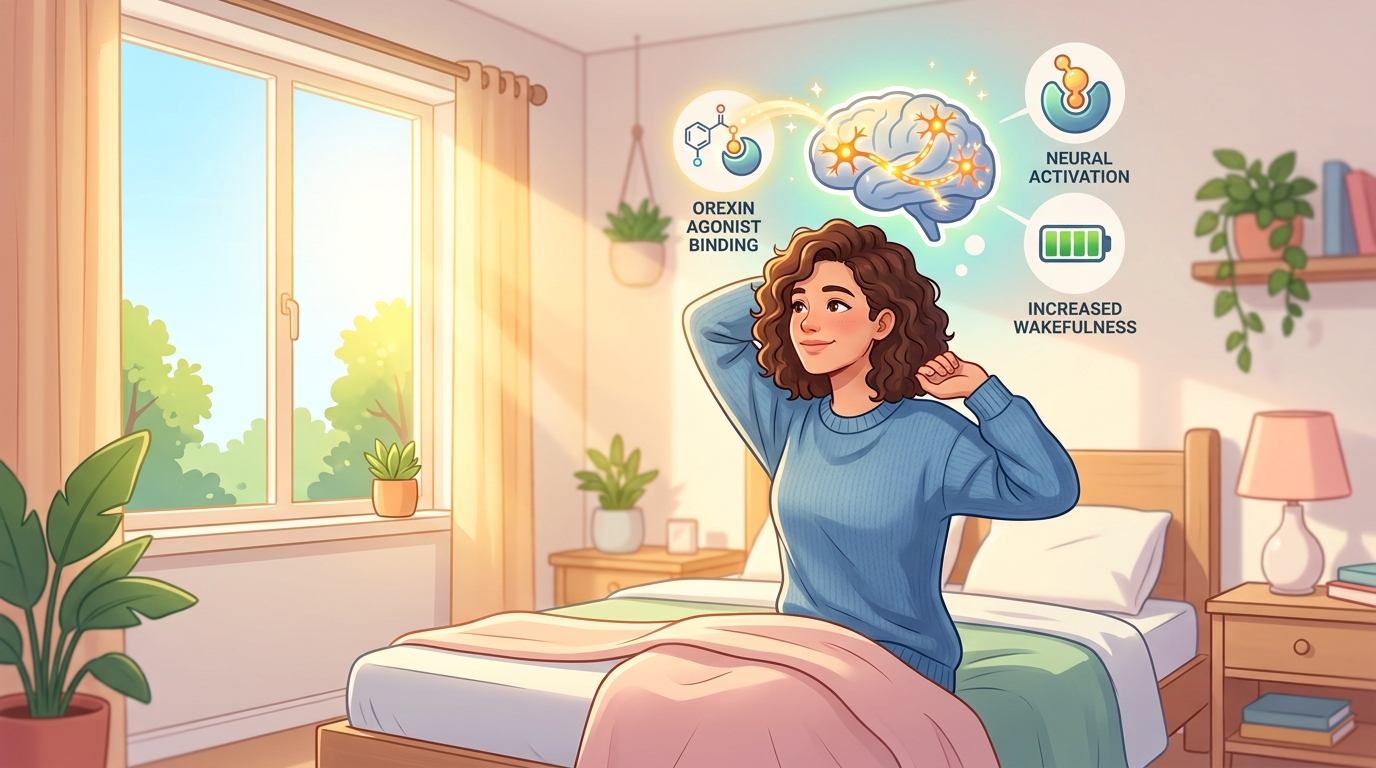
Narcolepsy Narcolepsy is a chronic sleep disorder characterized by excessive daytime sleepiness occurring alone or
We’ve all wondered how much sleep we should be getting each night. Last May, a
What is the glymphatic system? The glymphatic system is a brain-wide perivascular network that allows