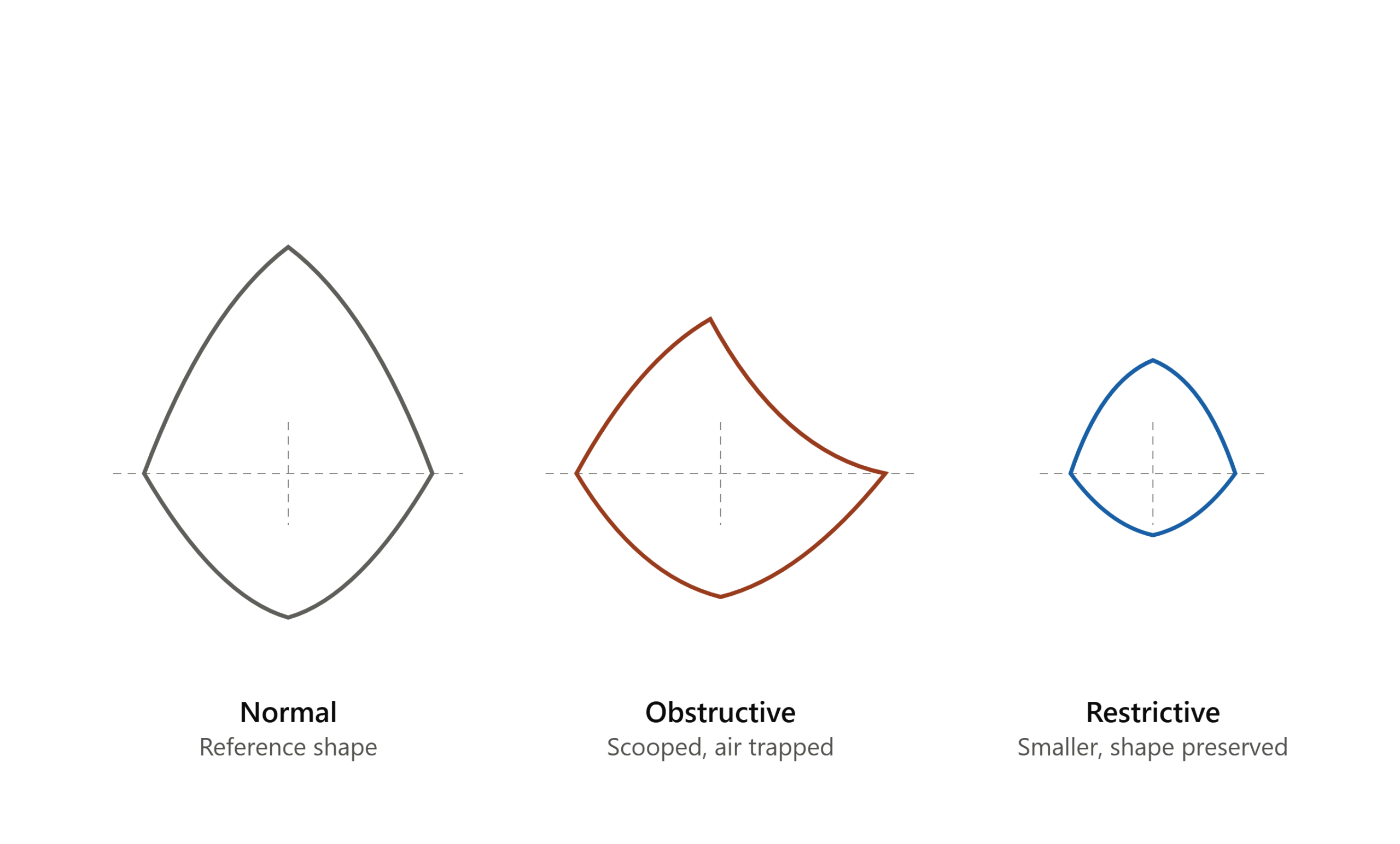

Kock et al from the department of Psychiatry and Behavioural Medicine at Stanford University Center for Sleep Sciences and Medicine recently published an article looking at the association between different types of obstructive respiratory events and hypertension and objective sleepiness. When we analyse OSA in the sleep unit, the international rules for marking an obstructive respiratory event allow for sleep apnoea to occur with and without significant SpO2 desaturation (3%). The American Academy of Sleep Medicine (AASM) are responsible for setting these guidelines.
This study included 1022 participants with 2112 PSG studies retrospectively reviewed from the Wisconsin Sleep Cohort. They used an automatic analysis to review flow reductions on the PSG data. They also used the AASM guidelines for reduction in flow to assign respiratory events. It is worth noting that the AASM have allowed for different rulesets for the classification of respiratory events and not every lab uses the same rules. They did however use standard sleepiness measures (for both subjective and objective sleepiness) and standard measures for hypertension.
What they found was that different breathing disturbance indices (desaturating and non-desaturating) are associated with different clinical outcomes. Consistent with current evidence, oxygen-desaturating breathing disturbances were associated with prevalent hypertension and sleepiness. While non – desaturating events were associated only with objective sleepiness. However this study is the first to confirm routine clinical best practice in that OSA without desaturation has clinical significance.
Reference:
Henriette Koch, Logan Douglas Schneider, Laurel A Finn, Eileen B Leary, Paul E Peppard, Erika Hagen, Helge Bjarup Dissing Sorensen, Poul Jennum, Emmanuel Mignot; Breathing Disturbances Without Hypoxia Are Associated With Objective Sleepiness in Sleep Apnea, Sleep, Volume 40, Issue 11, 1 November 2017, zsx152, https://doi.org/10.1093/sleep/zsx152