
Asthma and COPD are prevalent chronic inflammatory airway diseases that are responsible for significant burden to global healthcare systems. Both diseases share similar pathophysiologic mechanisms which contributes to the increasing consideration of these complex, heterogenous diseases as overlapping syndromes. Perhaps the most influential treatable trait of chronic airway disease is eosinophilic airway inflammation. Over the last decade researchers have paid particular attention to the development of monoclonal antibodies and small molecule therapies to improve patient care and reduce exacerbations in patient with Asthma or COPD. However, it is evident that not all patients respond equally to therapy and instead of the current “one size fits all” approach that is advocated in current guidelines, targeting the key mechanism seems to be more appropriate.

It has been well documented that elevated percentages of eosinophils in sputum and/or blood in patients with asthma are associated with exacerbations and airflow limitations. Although airway inflammation in COPD is predominantly neutrophilic, it has been observed that increased sputum eosinophils are present in 30% to 40% of COPD patients during both stable periods and during exacerbations. In fact, a management strategy that aimed to minimize eosinophil airway inflammation in patients with COPD has been shown to reduce severe exacerbations by 62%.
The maturation of eosinophil progenitors depends largely on cytokines such as IL-3, IL-5 and granulocyte macrophage-colony stimulating factor. Of these, IL-5 is the most critical for eosinophil proliferation, differential and activation. Furthermore, the release of “alarmin” cytokines (IL-33, IL-25 and TSLP) from airway epithelial cells exposed to allergens, viruses, fungi and pollutants contribute to the molecular pathway of eosinophilic airway inflammation. A range of anti-eosinophil drugs such as mepolizumab, reslizumab, benralizumab, omalizumab and lebrikizumab were developed to target the many differing pathways that cytokines and IgE bring about airway inflammation. However, for the clinician it important to know which patient will benefit most from which biologic agent to make the right treatment decision.
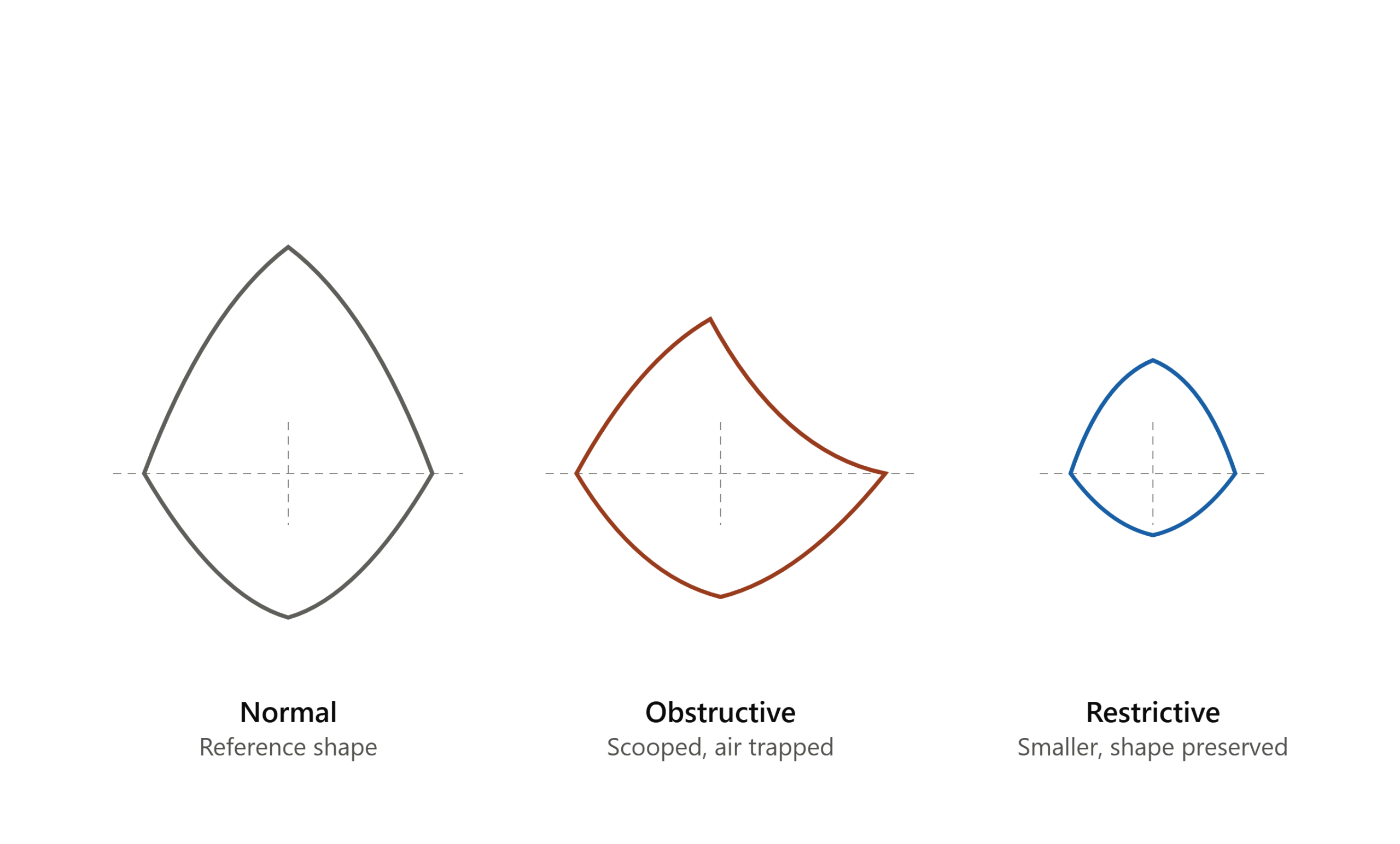
Along with blood and sputum eosinophil counts, assessment of exhaled inflammatory biomarkers via Fraction Exhaled Nitric Oxide (FeNO) are a useful, non-invasive path to determining airway inflammation in both asthma and COPD patients. Elevated nitric oxide (NO) in exhaled breath correlates with ongoing eosinophilic inflammation, however, nasal NO concentrations are high relative to the lower respiratory tract, with the highest levels reported in the paranasal sinuses. The challenge for clinicians then comes in determining the ratio of upper to lower airway inflammation. It then becomes apparent that in addition to Complex Pulmonary Function tests to assess respiratory physiology, measurement of upper and lower airway inflammation may help clinicians stabilize chronic respiratory disease and predict exacerbations.