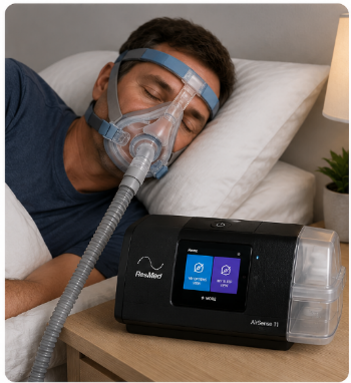

With the recent release of smaller CPAP units, many people are looking at these alternatives for the CPAP treatment for travel purposes or even the primary machine at home. One of the biggest things these smaller devices forgo is the conventional pass over heated humidifier system with heated tube in place for a heat exchange unit or even nothing at all.
There has been significant evidence showing heated humidifier systems increase adherence to CPAP1, particularly in patients who suffer upper airway or nasopharyngeal symptoms such as dry throat and mouth2. As a result quality of life when using CPAP has been shown to improve when using humidification3.
Heated tubes were introduced to prevent condensation build up occurring at the mask particularly during the cooler seasons. The humidifier air would cool as it travels through the tube away from the heater source of the humidifier. Once it cools enough, the water vapour would turn back into a liquid and flood the mask. Heated tubes allow the air temperature to remain high all the way from the humidifier to the mask, preventing this ‘rain out’ and ensuring warm, moist air is inhaled by the patient. The addition of the heated tube has solved this problem however has not shown to improve adherence of CPAP use overall4.
Humidification is particularly important for sufferers of chronic airways disease. Disorders such as COPD and bronchiectasis are often associated with persistent airway inflammation with mucus retention. These patients can suffer exacerbations which often require hospitalisation. Long term daily humidification use in this group of patients has been shown to significantly reduce exacerbations, improve lung function and quality of life5.
While humidification is often seen as comfort feature in regular CPAP therapy it is important to speak with your doctor or healthcare provider to ensure your treatment is optimised to reduce your symptoms.