
Allergic rhinitis or what is commonly referred to as hay fever is emerging as a major health issue within developing countries such as Australia. It is estimated that 4.1 million Australians or almost 20% of the population suffer with some type of allergic disease. Allergic rhinitis occurs when allergens in the air are breathed in by someone that is allergic to them, causing irritation and inflammation of the nasal passages. Allergens include dust mites, pollen, moulds, or animal hair. During sleep allergic rhinitis can become exacerbated and the impact of allergic disorders on your quality of life can become diminished. Research on the consequences on the quality of sleep and allergic rhinitis found that all dimensions of sleep were somehow impaired, particularly as the severity of the disease increased. Symptoms of sleep apnoea syndrome such as increased snoring, poor sleep quality, frequent nocturnal awakenings, insomnia and daytime sleepiness are more prevalent with people suffering allergic rhinitis.
The sleeping disorder obstructive sleep apnoea can be linked with allergic rhinitis. It is important for people that have both these conditions to reduce nasal congestion and inflammation to decrease symptoms such as snoring, daytime fatigue and sleepiness. Allergens such as dust mites and animal hair that build up within your bed room and bed will increase the severity of allergic rhinitis. Mould found within your home can be problematic and harmful, potentially having a serious impact on your health. Most people who live in mouldy conditions will develop hay fever-like symptoms or allergic rhinitis, a sensitivity to mould could also develop and your airways may become irritated and aggravate asthmatics. For that reason you should alleviate the irritation that may occur from allergens in your home, particularly those found in your sleep environment. Here are some tips to reduce allergens from your sleep environment:
- Regularly clean your bedding, mattresses and carpeting for dust mites and animal hair.
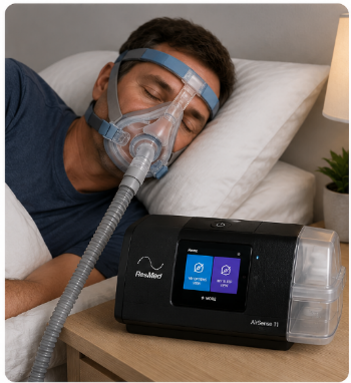
- If you have already been diagnosed with obstructive sleep apnoea and use a CPAP machine be diligent in your cleaning routine to avoid mould developing in your tubing or mask.
- To prevent mould in your home check any porous areas such as bathroom, clothing, furniture or carpets and clean and remove as soon as possible.
- If you are sensitive to pollens then try and keep them away from your sleep environment.