
Recent studies have shown that patients with type 2 diabetes have a 50% increased risk of developing obstructive sleep apnoea (OSA) (Subramanian et al., 2019). OSA and type 2 diabetes share several risk factors, including obesity, metabolic syndrome, and ageing (Nourish Dental Sleep & TMJ Care, 2025). Type 2 diabetes may contribute to the development of OSA through various mechanisms, such as weight gain, side effects of medication, reduced physical activity due to commodities such as diabetic neuropathy, or changes in lung volumes (Subramanian et al., 2019).
Fragmented sleep and hypoxia are both characteristic features of OSA and are associated with abnormal glucose metabolism. This dis-regulation may involve multiple pathways, including oxidative stress and systemic inflammation (Nourish Dental Sleep & TMJ Care, 2025). OSA reduces the body’s oxygen levels, which directly affects glucose regulation and increases insulin resistance (Cornejo, 2022). These effects can be significant, to the extent that OSA is considered a contributing factor in the development of type 2 diabetes (Cornejo, 2022).
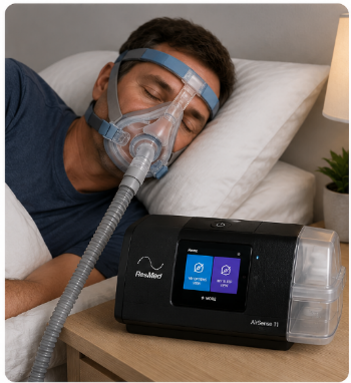
Effective treatment of OSA, such as continuous positive airway pressure (CPAP), can help manage the condition in individuals living with both diabetes and OSA (The Sleep Health Foundation, 2024). However, recent clinical trials suggest that, while CPAP may improve sleep-related symptoms, it does not replace the need for medications specifically designed to control diabetes and support weight loss (The Sleep Health Foundation, 2024).