
With international boarders now back open and the return of pre COVID-19 flight numbers, more people are making their dream adventures a reality. However, not everyone has the ability to safely board an aircraft and maintain high altitude for significant durations.
Patients with Chronic Obstructive Pulmonary Disease (COPD) are at greater risk of desaturation when at altitude due to aircraft cabins only being pressurised to 8000ft above sea level, as they soar to 35000-42000ft. In the instance of decreased pressure, the drive of oxygen from alveoli into the blood stream is reduced and therefore, less binding occurs when red blood cells pass through pulmonary vasculature.
This does not implicate the “normal” traveler where lung pathology is healthy, however, your patients with lung conditions may experience desaturations and therefore, may benefit from assessing their fitness to fly.
Who is indicated for a HAST? Patients with;
| COPD | Interstitial lung disease |
| Supplemental oxygen therapy | Cystic Fibrosis |
| Resection or lobectomy | Restrictive lung disease |
| Pneumothorax | Very poor CV endurance |
When is it indicated?
- Before travelling on international flights and some domestic travel as well
- Airlines have their own specific regulations surrounding safe travel that must be adhered to when certain conditions are present
What is involved during a HAST?
- Baseline spirometry is performed to assess airway function
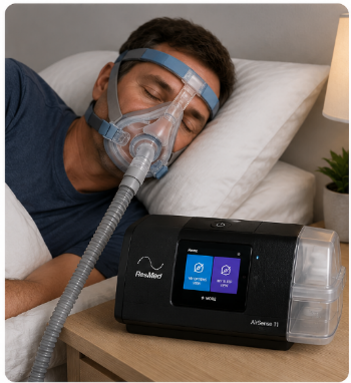
- 15% oxygen delivered through a mask for 20minutes whilst the patient comfortably sits
- 1 minute of Sit-to-Stand exercise
- 1 minute of Step up – Step down exercise
*Blood saturation is monitored throughout and the test will cease if SpO2 reaches 85%*
– The mask will be removed and SpO2 is quickly restored to resting levels under normal O2 ……..conditions.
– The test takes approximately 45mins – 1hr to complete
- Complex cases should be referred to a physician for review and opinion.
- The Wesley Lung Function Lab offers this service Bulk Billed.
- For further information about HAST testing, please call us on (07) 3870 0858 or …………..email lung@tsgq.com.au
Additional resources: