
Yes: But Have You Heard of KPAP?
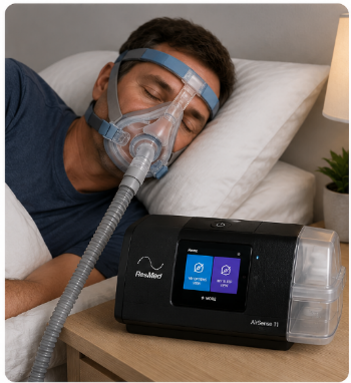
Sleep apnea therapy is evolving fast. For years, CPAP (Continuous Positive Airway Pressure) was the only widely used approach — simple, effective at keeping airways open, yet often uncomfortable because it delivers one constant pressure every breath. To improve comfort and real-world use, newer technologies such as APAP and now KPAP (Kairos Positive Airway Pressure) are gaining attention.
APAP (Auto-Adjusting Positive Airway Pressure) improves on traditional CPAP by adjusting the delivered pressure within a prescribed range in response to changes in breathing, sleep position or airway resistance throughout the night. If the machine detects obstructive events, it increases pressure; if not, it lowers it — helping avoid unnecessary high pressure while maintaining airway patency.
KPAP takes a different approach entirely. Rather than targeting pressure based on detected events alone, KPAP uses a breath-cycle-aware algorithm that dynamically modulates pressure with each breath, reducing pressure during most of inhalation and exhalation, and only returning to full therapeutic pressure near the end of expiration, when the airway is most prone to collapse. This “pressure at the right time” concept — from the Greek word kairos — aims to provide effective therapy with less sensation of forced airflow and fewer side effects like mask leaks, dry mouth or bloating.
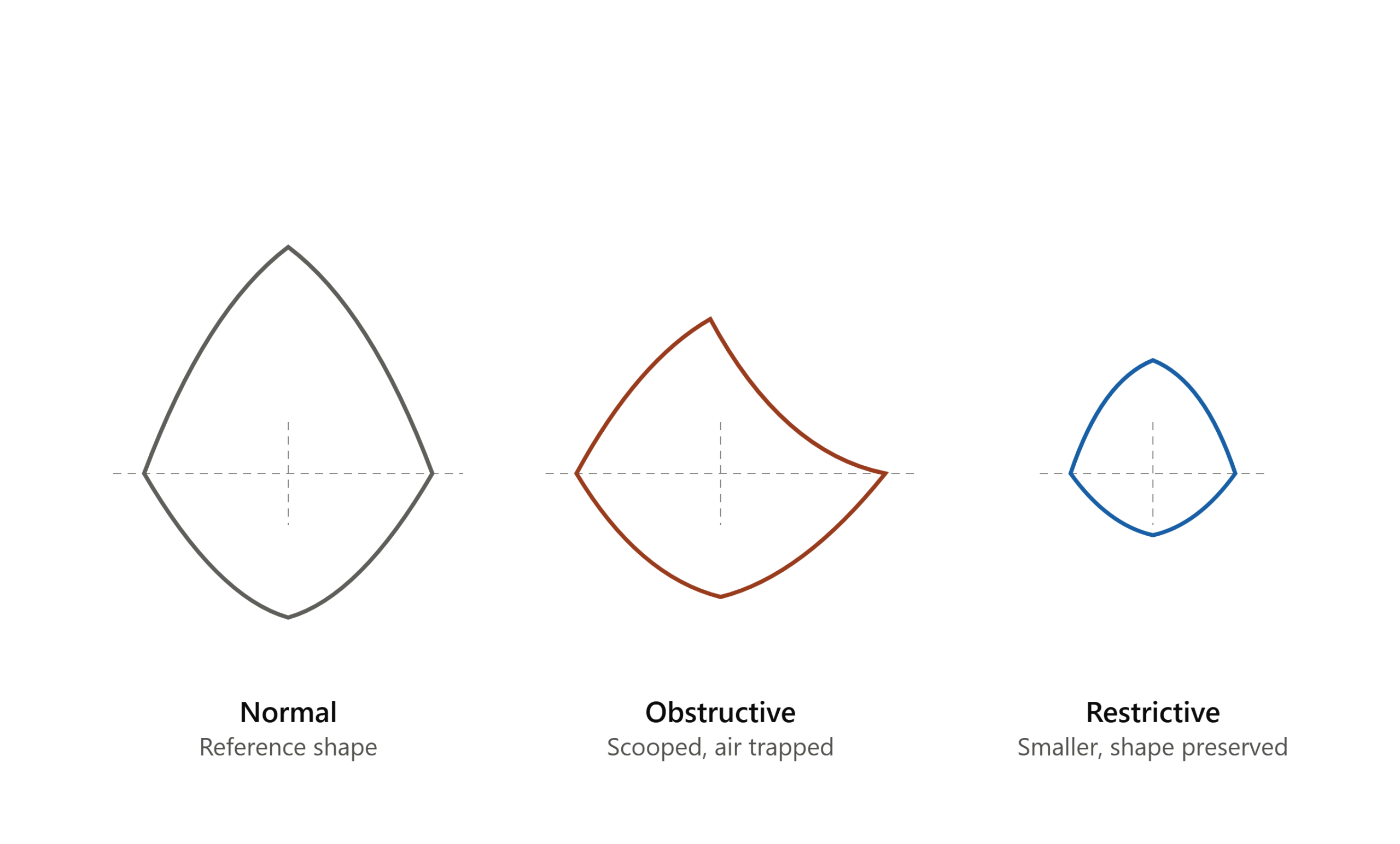
Recent clinical trials show that KPAP is as effective as CPAP/APAP in reducing apnea-hypopnea index (AHI), while many users report improved comfort and preference for KPAP pressure patterns.
In summary:
- APAP adjusts pressure on the basis of airway events throughout the night.
- KPAP adjusts pressure in sync with breathing physiology — lowering it for most of the cycle and only increasing at the most critical moment.
By blending precision timing with clinical effectiveness, KPAP may offer better tolerability than both standard CPAP and traditional APAP, potentially improving therapy adherence for many people living with sleep apnea.
Article: https://www.embs.org/pulse/articles/not-your-grandfathers-cpap-improving-sleep-apnea-therapy-adherence-with-emerging-technology/