
New research suggests that a good night’s rest might be a powerful defense against neurological decline. A study analysing the health records of over 11 million U.S. veterans has found a connection between untreated sleep apnoea and a significantly higher risk of developing Parkinson’s disease.
The findings reveal that veterans who left their sleep apnoea untreated faced nearly double the odds of a Parkinson’s diagnosis compared to those who sought treatment.
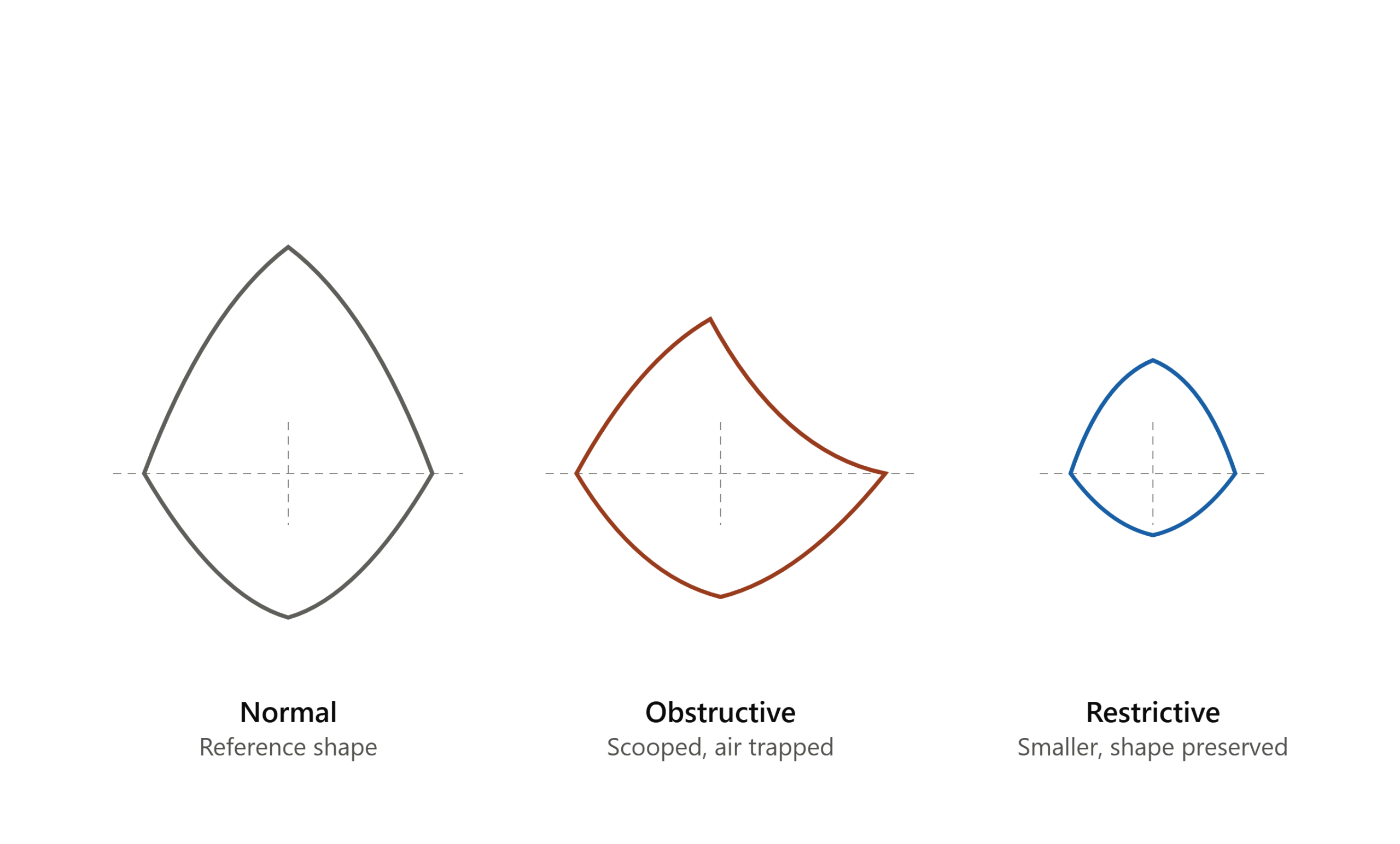
Sleep apnoea occurs when a person’s airway becomes blocked during sleep, causing breathing to pause repeatedly. Researchers believe these frequent drops in oxygen levels put immense pressure on brain cells. When oxygen levels fluctuate night after night, neurons may struggle to function correctly. Over several years, this repetitive stress can weaken the brain’s natural defences, potentially paving the way for neurodegenerative disorders.
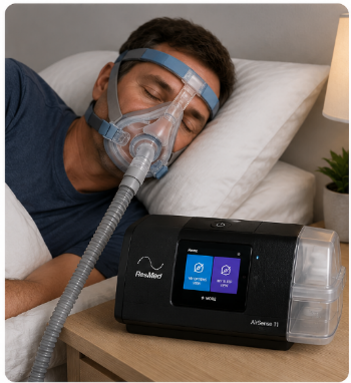
The study offers a major silver lining: using a CPAP (continuous positive airway pressure) machine appears to drastically lower the risk. By keeping the airways open and maintaining steady oxygen flow, CPAP therapy helps preserve brain health.
The various severe effects that OSA can have highlight the importance of active treatment. While some patients find the transition to a CPAP mask challenging, many veterans in the study reported feeling more alert and less fatigued.
Lee E. Neilson, Isabella Montaño, Jasmine L. May, Savanah Sicard, Yeilim Cho, Jeffrey J. Iliff, Jonathan E. Elliott, Miranda M. Lim, Gregory D. Scott. Obstructive Sleep Apnea, Positive Airway Pressure, and Implications of Early Treatment in Parkinson Disease. JAMA Neurology, 2025; DOI: 10.1001/jamaneurol.2025.4691