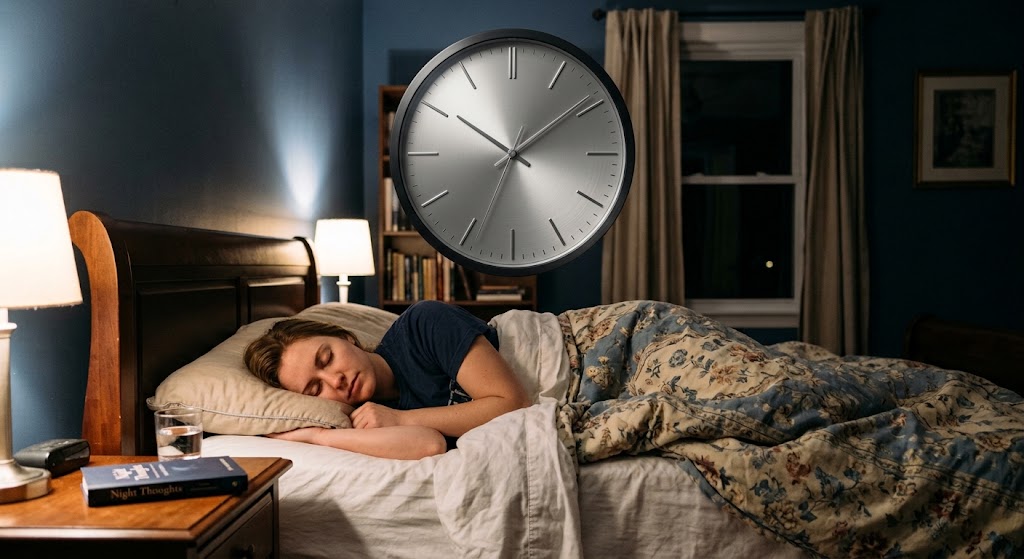

Sleep disordered breathing is often associated with other medical disorders, typically cardiovascular disease and diabetes due to many shared risk factors. The disruption sleep disordered breathing causes to normal sleep cycling causes sleep deprivation and well documented cognitive performance declines during daytime functioning.
Epilepsy sufferers have been associated with a 2-3 times higher mortality risk compared with those without epilepsy. Epilepsy can occur because of imbalanced expression of the excitatory and inhibitory ion channels in the brain. The electrophysiological instability in the cortex registers as a spike followed by a large refractory waveform on an electroencephalogram. Occasionally, spikes with hyper synchronisation lead to an epileptic seizure. Sleep deprivation has been found to increase seizure susceptibility and often provokes epileptic seizures.
Studies have shown a high prevalence of sleep disordered breathing in sufferers of epilepsy however the relationship in the general population with sleep disordered breathing potentially developing epilepsy has not been shown and was the aim of this study.
Methods:
138,507 patients diagnosed with sleep disordered breathing between 2000 and 2010 were compared with 138,507 control subjects matched for age, sex and test dates. Subjects included in the study were from the National Health Insurance program (NHI) in Taiwan. Those diagnosed with epilepsy before their date of diagnosis were excluded. The follow up duration was calculated from the diagnosis date until the occurrence of epilepsy, withdrawal from the NHI or Dec 31 2011.
Results:
Mean age was similar in both cohorts as was the distribution of age and sex. The prevalence of comorbidities was higher in the sleep disordered breathing cohort as was the percentage of sleep medication use. The median follow up duration was more than 7 years in both groups.
During follow up, the incidence of epilepsy was higher in the sleep disordered breathing cohort than in the control group, 1277 compared to 640 occurrences. The hazard ratio of epilepsy revealed a 1.5 fold risk in the sleep disordered breathing cohort when corrected for age, sex, medication use and comorbidities. Incidence of epilepsy occurrence increased with age in both cohorts however in all age groups the sleep disordered breathing cohort had a significantly higher risk.
Discussion:
The study shows the risk of developing epilepsy over time persistently increased in those with sleep disordered breathing and any age group or sex. Insomnia and sleep deprivation alone can increase the occurrence of epileptiform spikes and seizures without apnoea or hypoxic changes occurring noted with sleep apnoea. One would expect the effect of hypoxia in addition to cause greater neurological changes and further increase the likelihood of epileptic activity. Potential mechanisms resulting from sleep apnoea with hypoxia might be increased blood–brain barrier permeability, leading to brain oedema, neurovascular uncoupling, and neuronal dysfunction and damage, possibly resulting in a higher risk of developing epilepsy.
Since the risk was found to be higher when corrected for age and sex, sleep disordered breathing could be thought as a more powerful predisposing factor for developing subsequent epilepsy than these factors alone.
Limitations of the study were primarily associated with the research data being collected from the National Health Insurance program being limited to Taiwan and de-identified so patients could not be contacted directly and their details confirmed. Epilepsy type and frequency were not available in the database as was smoking habits, alcohol consumption, BMI and family history which may also play an important role in the development of epilepsy.
Overall the results show an increased risk of developing epilepsy in patient with sleep apnoea. Additional large, unbiased population studies with finer data categorizations are necessary to confirm the findings.
References:
http://journals.plos.org/plosone/article?id=10.1371/journal.pone.0173491
Tomor Harnod, Yu-Chiao Wang, Cheng-Li Lin, Chun-Hung Tseng
Published: March 14, 2017http://dx.doi.org/10.1371/journal.pone.0173491
Chang YH, Ho WC, Tsai JJ, Li CY, Lu TH. Risk of mortality among patients with epilepsy in southern Taiwan. Seizure 2012;21:254–259. doi: 10.1016/j.seizure.2012.01.006. pmid:22321335
Lucey BP, Leahy A, Rosas R, Shaw PJ. A new model to study sleep deprivation-induced seizure. Sleep 2015;38:777–785. doi: 10.5665/sleep.4674. pmid:25515102
Chihorek AM, Abou-Khalil B, Malow BA. Obstructive sleep apnea is associated with seizure occurrence in older adults with epilepsy. Neurology 2007;69:1823–1827 doi: 10.1212/01.wnl.0000279334.78298.d5. pmid:17984449