
OSA was once perceived predominantly as a ‘male’ condition, studies have shown that at least 2% of middle-aged women suffer from OSA. Alarmingly, more than 90% of affected women remain undiagnosed.
Compared to men with similar age and OSA severity, women reported significantly lower functional status, increased subjective daytime sleepiness, heightened apnea symptoms, more mood disturbances, and poorer neurobehavioral performance.
These disparities underline the need for gender-specific diagnostic considerations.
- Daytime Fatigue and Sleepiness:
Women with OSA might feel more fatigued or sleepy during the day, which can impact their ability to perform daily tasks, work efficiently, or even engage in social activities.
- Cognitive Impairments: OSA can lead to problems with memory, attention, and concentration. Women with OSA might find it challenging to focus on tasks, remember details, or process information.
- Mood Disturbances: OSA has been linked to increased rates of depression and anxiety. Women with OSA might experience mood swings, feelings of sadness, or heightened anxiety, further affecting their daily functioning.
- Physical Limitations: Repeated interruptions in sleep can affect physical well-being. Women might feel less energetic, have decreased stamina, or experience muscle weakness.
- Social and Emotional Impact: Reduced functional status can also have social implications. Women might withdraw from social activities, experience relationship strain, or feel less confident in social or professional settings due to the symptoms of OSA. The emphasis on “lower functional status” in the context of OSA in women is to highlight the broader impact of the condition beyond just nighttime breathing disturbances. It underscores the need for early detection, proper diagnosis, and effective treatment to prevent these functional impairments and enhance the quality of life for women with OSA.
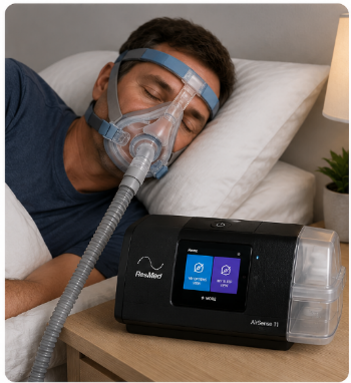
Continuous Positive Airway Pressure (CPAP) treatment significantly improves functional status and relieves OSA symptoms in both genders. The magnitude of the improvement observed did not vary significantly between men and women, demonstrating the efficacy of CPAP for women with OSA.
There exists a noticeable gender bias in OSA diagnosis, potentially due to limited data on OSA in women. Studies now indicate structural brain differences in OSA between genders, emphasizing the need for gender-specific diagnostic and treatment approaches.
- Sex Differences:
Research has shown that there are inherent differences in brain structures between men and women. For instance, men typically have larger brain volumes, but women have thicker cortices. How these structural differences relate directly to OSA isn’t fully understood, but they might influence how respiratory centers in the brain respond to challenges, such as a blocked airway during sleep.
- Hormonal Influence:
Sex hormones can influence brain structure and function. Estrogen, for example, has protective effects on the brain and can influence neural circuits related to respiration. The fluctuation of estrogen and progesterone across the menstrual cycle, during pregnancy, and post-menopause can modify the respiratory drive and the muscle tone of the airway, potentially influencing OSA risk and presentation in women.
- Clinical Implications:
Structural brain differences can influence the clinical presentation of OSA. For instance, if certain brain areas related to breathing control are different between men and women, it might lead to variations in the AHI, the severity of oxygen desaturation during events, or the frequency and duration of the events.
OSA isn’t just about physical obstructions in the upper airway. The brain’s role in OSA is significant, and since there are known structural differences between male and female brains, understanding these differences can shed light on why OSA presents differently in women and how it might be best treated.
While these structural brain differences provide a backdrop for understanding gender differences in OSA, they are just one piece of the puzzle. Combining this knowledge with other physiological, hormonal, and anatomical differences between men and women helps paint a more comprehensive
“The differential presentation of OSA symptoms in women underscores the importance of tailored clinical evaluations. Overlooking these differences might lead to misdiagnoses, delayed treatments, and aggravated health issues.”
References:
Macey, P. M., et al. (2018). Obstructive sleep apnea and cortical thickness in females and males.
Ye L; Pien GW; Ratcliffe SJ; Weaver TE. (2009). Gender Differences in Obstructive Sleep Apnea and Treatment Response to Continuous Positive Airway Pressure.
Young, T., et al. (1993). The occurrence of sleep-disordered breathing among middle-aged adults.