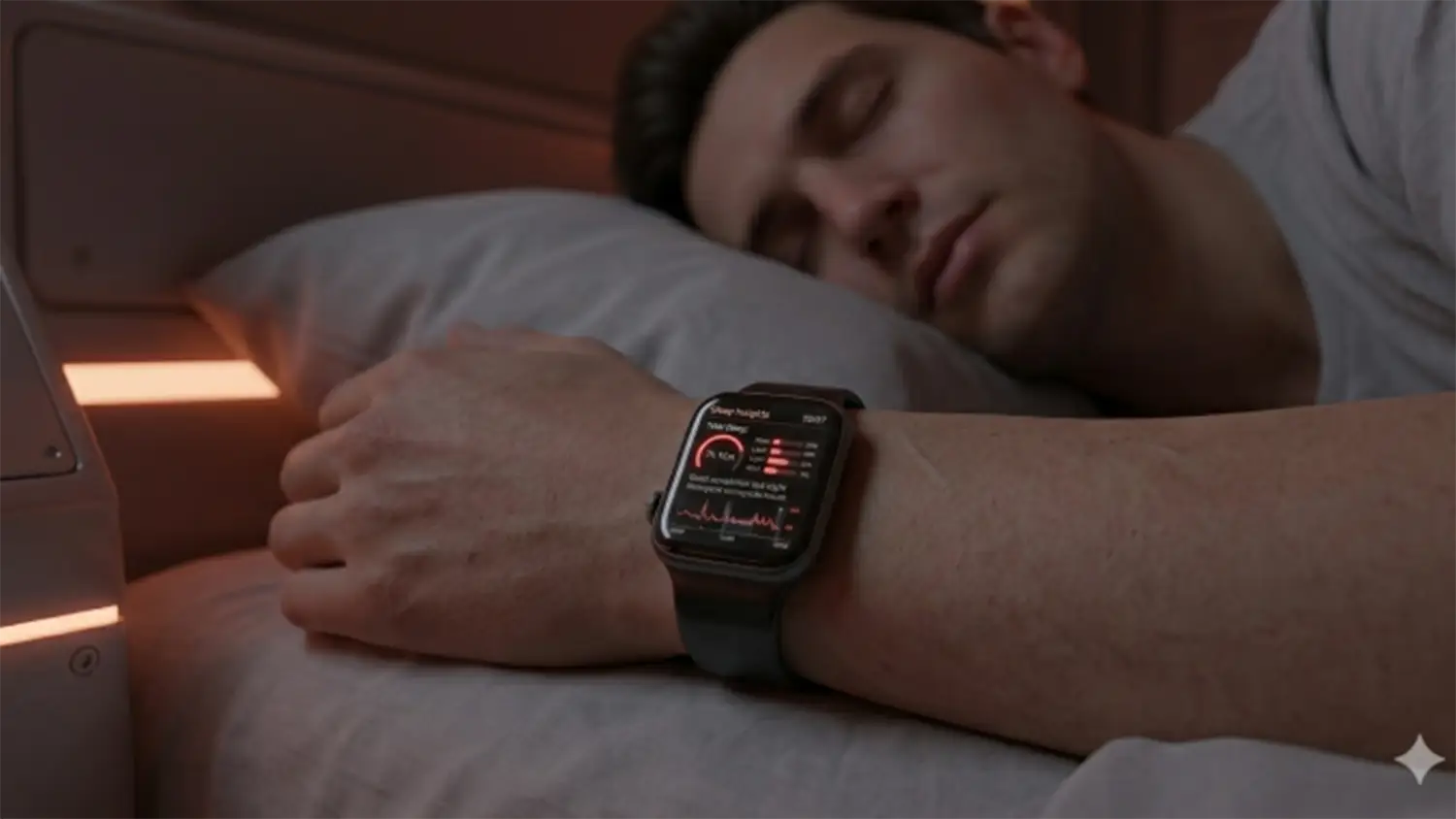

How much sleep is “enough”? Is it eight hours? Seven hours? Six and a half? We are often told that the optimum is 8 hours, but now some new research has revealed that it is really 8.5 hours.
Dr Daniel Gartenberg is an entrepreneur who has launched several cognitive-behavioural-therapy apps, including the Sonic Sleep Coach alarm clock. He has been working on research funded by the National Science Foundation and the National Institute of Aging, and he is also a TED resident. He was recently speaking with the magazine Quartz, he spoke with them about the amount of hours that one person actually requires, 8.5hrs.
Why the extra 30 minutes?
It’s simple really. Healthy sleepers only spend about 90 per cent of their time in bed actually sleeping, so if you’re in bed for eight hours, a healthy sleeper might actually sleep for only about 7.2 hours. This means even if you’re in bed eight hours before your alarm is scheduled to go off, you’ll probably get closer to seven hours of actual sleep. So aim for 8.5 to get the full 8hrs is his theory.
He noted that even if trying to go to sleep early, people might not get the amount of rest they really need, because they spend a lot of time trying to go to sleep. You can over time train yourself to get to sleep earlier with good sleep hygiene. Screens from smartphones and other devices can interrupt a good night’s sleep. Additionally, many of us tend to recover our sleep on weekends but according to the researchers, this isn’t ideal. So He recommended 8.5 hours of sleep for a healthier, happier, and revitaliser life.
If you would like the whole interview this is the link https://qz.com/1301123/why-eight-hours-a-night-isnt-enough-according-to-a-leading-sleep-scientist/
References
- Georgia Frances King, Why eight hours a night isn’t enough, according to a leading sleep scientist. Quartz June 10 2018.
- com.au Why 8.5 hours of sleep is the new eight hours. Available online https://www.news.com.au/lifestyle/health/health-problems/why-85-hours-of-sleep-is-the-new-eight-hours/news-story/2712720907775f0898aefa9568b8b8f1