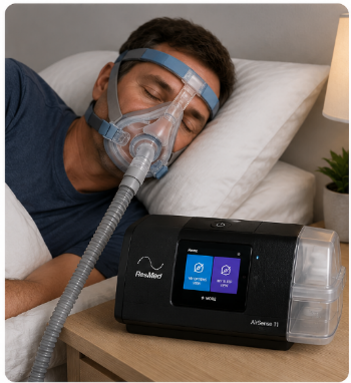

Dealing with a blocked nose at night can disrupt sleep and lead to snoring or sleep apnoea. Here are some practical strategies to help relieve nighttime nasal congestion and improve your rest.
- Avoid Triggers: Identify and avoid allergens such as pollen, pet dander, and dust before bedtime. An air purifier can help remove these irritants from your environment.
- Elevate Your Head: Sleeping with your head elevated can reduce nasal congestion. Use a wedge pillow or stack regular pillows to keep your head raised. Specific pillows should be considered while using CPAP though.
- Try Nasal Irrigation: Rinsing your nasal passages with a saline solution can clear mucus and reduce irritation. Use a neti pot or saline spray with distilled or cooled, boiled water and ensure the equipment is clean.
- Wear Adhesive Strips: Nasal strips can open your nasal passages, improving airflow. Experiment with different types to find the most effective for you. Although they may not be effective for many.
- Use Steam or a Humidifier: Taking a warm shower or inhaling steam can loosen mucus. A humidifier in your bedroom adds moisture to the air, preventing dryness and easing congestion. Follow the manufacturer’s instructions and keep humidity at a safe level.
- Stay Hydrated: Drink plenty of fluids throughout the day to thin mucus and promote drainage. Limiting alcohol can also help, as it may trigger nasal symptoms in some people.
- Consider Medications: Antihistamines, nasal steroids, and decongestants can offer relief, but consult a healthcare provider to choose the right one for your symptoms and consider any allergies.
If your congestion persists or worsens, consult a doctor to rule out underlying conditions and receive tailored treatment.