
What is Parenchymal Lung Disease:
Parenchymal lung disease is an umbrella term which refers to conditions where functional lung tissues about the alveoli and interstitial lining are damaged, leading to reduced gas exchange.
What Causes Parenchymal Lung Disease (Aetiology):
Although not an extensive list, the following scenarios may contribute to the development of parenchymal lung disease;
- Idiopathic (unknown cause)
- Environmental exposures (Faming vs urban)
- Occupational exposures (Silica, coal)
- Autoimmune disorders (Rheumatoid Arthritis, Scleroderma)
- Infections (Tuberculosis)
- Chemotherapy and Radiation treatment
Risk Factors for Parenchymal Lung Disease:
- Over 60 years of age
- Male sex
- Smokers
- Those exposed to the above environments for extended periods
Screening & Diagnosis of Parenchymal Lung Disease:
- Imaging: Chest X-ray and HRCT for detailed lung structure
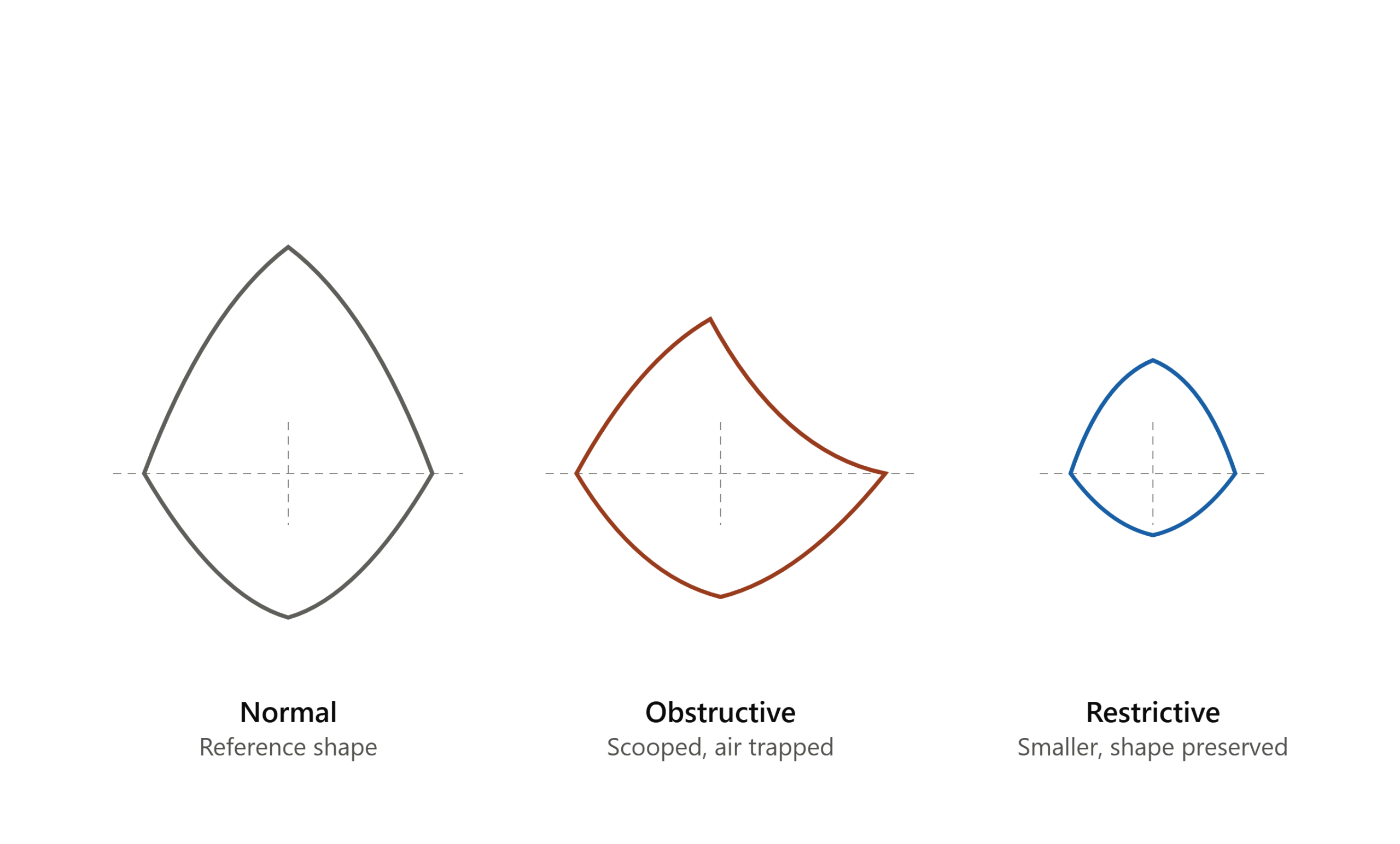
- Pulmonary function tests (PFTs): show restriction and reduced gas transfer
- Why PFTs Matter: As parenchymal lung disease is a loss of functional tissue, gas diffusion may remain within “normal” limits even with early visual changes on imaging.
- Therefore, monitoring of disease progression or treatment response can be tracked.
- Staging: Determines severity of the condition in conjunction with imaging and clinical presentation.
- Diagnosis: Helps differentiate between restrictive and obstructive patterns to pair with clinical presentation.
- Blood tests: Identify autoimmune or infectious causes
- Pair with medical background
Management of Parenchymal Lung Disease:
- Environment change: Removing yourself from potential contributing source may slow disease progression.
- Medications: Depending on the main contributing factor(s) – Corticosteroids, Immunosuppressants, Antifibrotics or medical oxygen may be deemed necessary.
- Exercise: Enhance the bodies use of oxygen and removal of CO2.