
Why Morning Sunlight Matters More Than You Think for Better Sleep
We often hear that “getting outside is good for you,” but new research shows that when you get sunlight may be just as important as how much. A recent study published in BMC Public Health explored how sunlight exposure at different times of the day affects sleep quality and circadian rhythms—and the results strongly favor morning light.
The study analyzed data from 1,762 adults in Brazil, collected during late 2020. Participants reported their daily sunlight exposure (morning, midday, or late afternoon) along with detailed information about their sleep, measured using the widely used Pittsburgh Sleep Quality Index (PSQI).
The key finding was clear: morning sunlight exposure (before 10 a.m.) was consistently linked to better sleep timing and overall sleep quality. People who spent time in the morning sun tended to fall asleep earlier and had an earlier “sleep midpoint,” meaning their internal body clock was better aligned with the natural day–night cycle.
Late afternoon sunlight also showed some benefits, but its effects were weaker compared to morning exposure. Interestingly, sunlight exposure—regardless of timing—did not significantly affect total sleep duration, how long it took people to fall asleep, or sleep efficiency. This suggests that sunlight primarily helps with circadian alignment, rather than increasing sleep quantity.
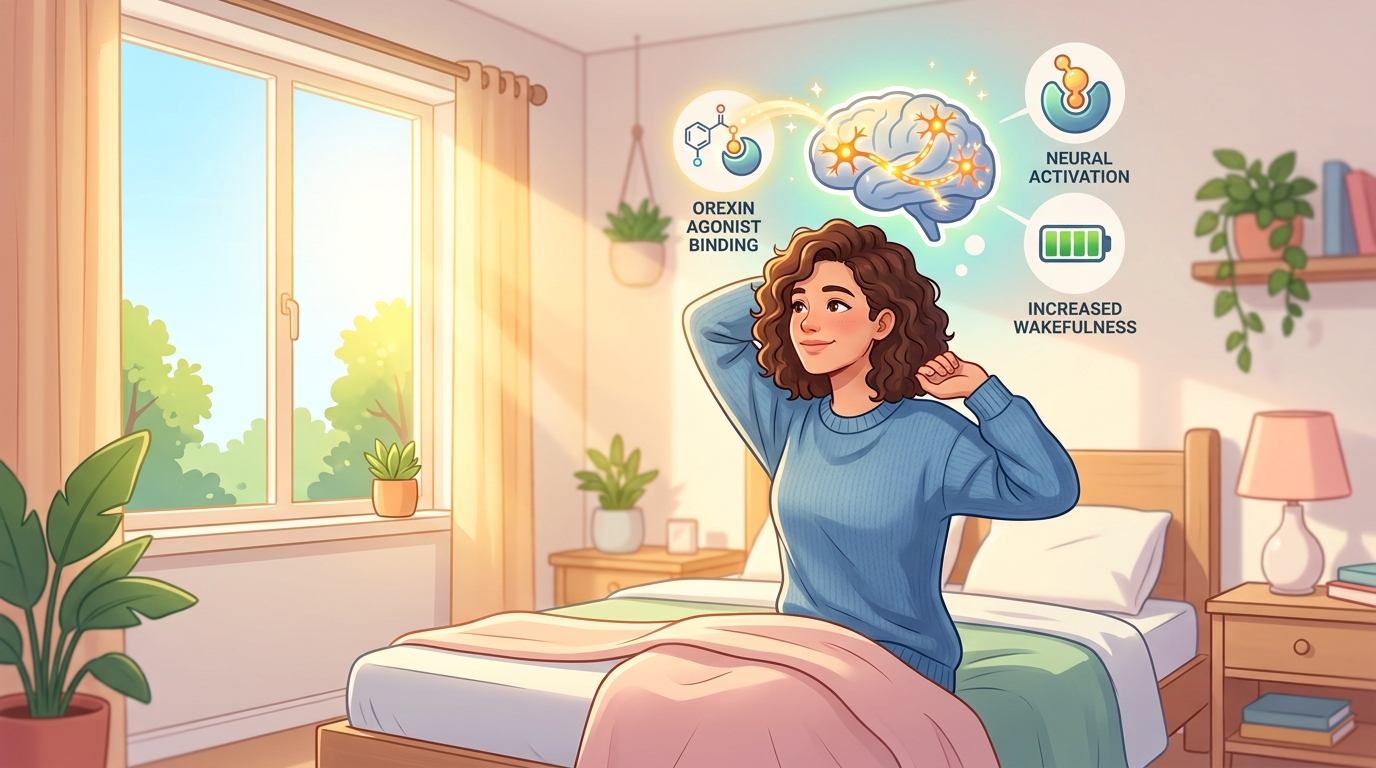
Why does this matter? Morning sunlight is a powerful signal for the brain’s circadian clock, helping regulate hormones like melatonin, which controls sleepiness. Without strong morning light cues, our internal clocks can drift later, contributing to poor sleep quality and social jet lag (discrepancy between an individual’s biological clock (circadian rhythm) and their social clock).
The takeaway is simple and practical: getting outside in the morning—even for a short walk—may be one of the easiest ways to support better sleep. While more research is needed to establish causation, this study reinforces the idea that natural light, especially early in the day, plays a vital role in healthy sleep patterns.
https://pmc.ncbi.nlm.nih.gov/articles/PMC12502225/