

02 Dec Revolutionizing Sleep Health with Wearable Tech: What You Need to Know
Understanding Wearable and Nearable Sleep Trackers
Sleep tracking technology has evolved significantly, with wearable and nearable devices becoming an integral part of our health management tools. Wearables, such as smartwatches and fitness trackers, monitor sleep using accelerometers, which detect movement, and often include heart rate and oxygen level sensors to track breathing patterns and heart activity. These sensors can provide more comprehensive data, offering insights into how well you’re sleeping, including your sleep stages and disturbances.
In addition to wearables, there are also ‘nearables,’ devices that sit on or near your bed, such as smart mattresses or bedside monitors. These use sound, pressure, and radar sensors to track sleep, generally focusing on movement and breathing, without the need for a device worn on the body. Both types of devices aim to estimate sleep quality, but the data they collect varies depending on their technology.
Key Metrics Provided by Sleep Trackers
Most modern sleep trackers measure a variety of metrics to give you an overview of your sleep quality:
- Sleep Duration: The total amount of time you spend asleep.
- Sleep Stages: Tracking how long you spend in different sleep phases, such as light, deep, and REM sleep.
- Sleep Pattern: Monitoring when you fall asleep and wake up, often referred to as your “sleep routine.”
- Sleep Scores: A numerical score based on the quality of your sleep, though the criteria for these scores can vary widely across devices.
- Breathing Disturbances: Some trackers also monitor disruptions in breathing, such as sleep apnoea or other irregularities.
Popular Sleep Trackers on the Market
According to the Sleep Foundation, several devices have earned high praise for their sleep tracking capabilities:
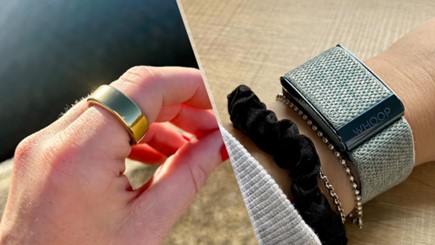
- Best Overall: Oura Ring 4
- Best for Active People: WHOOP 4.0
- Best Sleep Reports: Rise Science Sleep Tracker
- Best Oxygen Level Tracker: Sleepon Go2Sleep 3 Tracker
- Best Multipurpose Tracker: Bia Smart Sleep Mask
- Best Features: Muse S Athena + App
The New York Times highlights the Oura Ring 4 and WHOOP 4.0 as two of the best overall options. The Oura Ring is stylish, offers consistently accurate data, but is on the pricier side. The WHOOP 4.0, on the other hand, is particularly popular among active individuals due to its comprehensive tracking of fitness and recovery metrics.
When it comes to smartwatches, both the Apple Watch and Garmin watches offer advanced sleep tracking features, each with a slightly different focus. The Apple Watch uses its sensors to monitor various sleep stages, such as REM, deep, and light sleep, and integrates with the Health app to provide insights into your sleep patterns and trends. Features like Sleep Focus also help minimize distractions to encourage restful sleep.
Garmin watches, however, provide a more detailed analysis, including sleep stages, pulse oximetry (to track blood oxygen levels), and body battery data, which shows energy levels based on sleep and activity. Garmin is often favored by athletes for its comprehensive recovery insights, making it a great option for those looking to track their fitness alongside sleep.
Challenges and Future of Sleep Tracking Technology
Despite the growing popularity of sleep trackers, there are challenges when it comes to their accuracy. Different devices use different methods to measure sleep, and variations in how sleep stages are defined and tracked can lead to inconsistencies between devices. For example, some devices prioritize movement data, while others focus on heart rate or breathing patterns.
The World Sleep Society is actively working to standardize sleep metrics to ensure more reliable data across devices. In the future, advancements will likely focus on integrating multiple factors like movement, heart rate, and oxygen levels for a more accurate representation of sleep. Researchers are also looking to ensure that these trackers are effective for people across all demographics, from children to older adults, and for those with chronic health issues.
The Role of Sleep Trackers in Health and Wellness
Despite the challenges, the future of sleep trackers looks promising. With continued research and collaboration between tech companies and healthcare professionals, these devices have the potential to offer even deeper insights into sleep patterns, empowering users to make informed decisions about their sleep and health. As the technology improves, wearable sleep trackers could play a pivotal role in helping us understand and optimize our sleep for better overall health.
However, while these devices can provide valuable data, they should not replace professional medical advice. If you experience chronic sleep issues or notice consistently poor results from your tracker, it’s important to consult a healthcare professional. Sleep disorders can be complex and may require a professional evaluation or sleep study to identify underlying issues that wearable devices might miss. Don’t rely solely on sleep tech, working with a healthcare provider can provide a more holistic approach to improving your sleep quality.
In conclusion, wearable and nearable sleep trackers are valuable tools for understanding and improving sleep, but like all technology, they have their limitations. As the field continues to evolve, these devices will likely become more accurate and more integrated into our health routines, helping us make better choices for a healthier, more restful night’s sleep.