

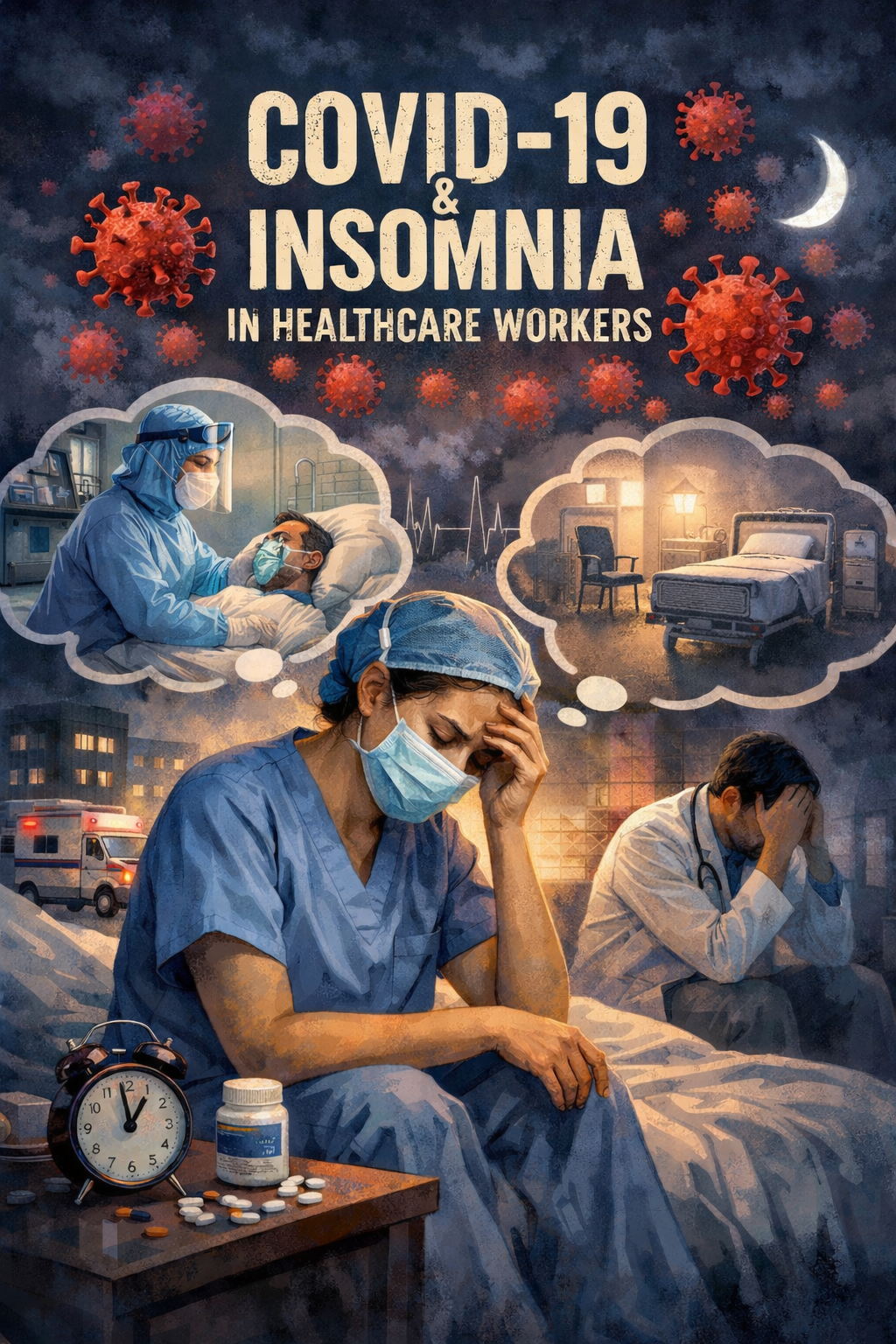
06 Mar Pandemic Pandemonium – Insomnia in Healthcare during/Post COVID 19
A new international study has found that sleep problems were extremely common among healthcare workers during the COVID-19 pandemic, with many still experiencing the effects today.
Researchers reviewed 34 studies from 14 countries, involving 32,930 healthcare professionals. It was revealed about 43.5% of healthcare workers experienced insomnia during or after the peak of the pandemic. That’s much higher than the rates typically seen in the general population.
So… what is insomnia?
Insomnia is, as commonly known and simply, having trouble falling asleep, staying asleep, or waking up too early and not being able to get back to sleep. Poor sleep can then lead to mood, concentration and overall health issues.
During the pandemic, many healthcare workers reported exactly these kinds of problems.
Specifically front line workers were hit the hardest.
The study found that sleep issues were most common among front line staff, such as doctors and nurses who were directly caring for patients with COVID-19. More than half of frontline workers (around 55%) experienced insomnia, compared with one third of staff who were not directly treating COVID patients.
There are several reasons why this group were more greatly impacted in terms of sleep.
They faced:
• Long and unpredictable work hours
• High emotional stress
• Fear of catching the virus or spreading it to family (whilst very little was known about the virus)
• Heavy workloads and difficult clinical conditions
All would greatly disrupt most individuals’ sleep.
Post- Pandemic
Even after the most intense phase of the pandemic passed, insomnia rates among healthcare workers stayed high. Earlier studies during 2020 also reported sleep problems in 34-49% of healthcare workers, with more recent analysis still maintaining numbers within that range. Suggesting that the stress and exhaustion experienced during the pandemic may have had long-lasting effects.
How does this impact health?
Sleep is often referred to as being something we as humans spend one third of our lifetime doing. There is a very good reason for this, sleep is essential for both physical and mental health. Ongoing insomnia can increase the risk of issues such as anxiety, depression and burnout.
Researchers report it is highly important for healthcare systems to support workers with sleep and mental health resources, especially in response to a global crisis. Improving the sleep health of the workers may reduce stress and maintain their ability to care for patients throughout their remaining careers.
In short, the pandemic was not just a couple years of health impact on patients, with many reeling from the events of long-COVID and other impacts to be revealed as more research is published. However, it has also had a lasting effect on the people who continue to work to keep patients healthy.