

18 Mar Pregnancy Induced Sleep Aponea (PISA)
Pregnancy brings many physical changes, but some of these changes can increase the risk of obstructive sleep apnea (OSA). Despite its potential risks, OSA in pregnancy often remains underdiagnosed and overlooked.
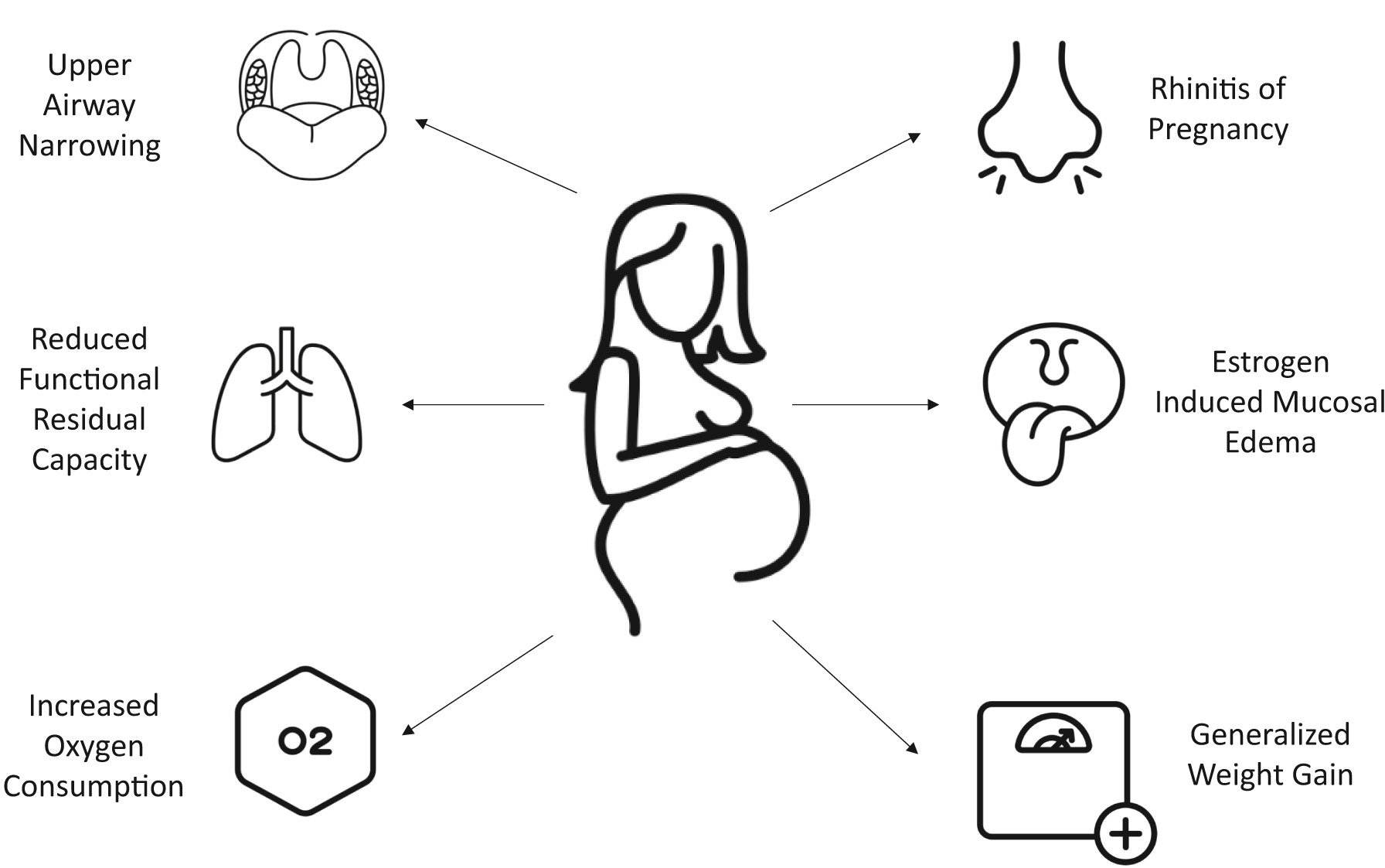
Research shows that the likelihood of developing OSA increases as pregnancy progresses. Studies suggest that about 3–27% of pregnant women may experience OSA, with the prevalence rising significantly in the third trimester. From 3.6% to as high as 26% in the third trimester. Hormonal changes, increased weight, airway swelling, and reduced lung capacity during pregnancy can all contribute to airway obstruction during sleep.
Certain women are at higher risk, including those with higher body mass index (BMI), chronic hypertension, older maternal age, or frequent snoring. Symptoms may include loud snoring, excessive daytime fatigue, headaches, and episodes of breathing pauses during sleep.
Untreated OSA during pregnancy can lead to serious complications for both mother and baby. Maternal risks in relation to OSA include gestational diabetes, high blood pressure, preeclampsia, and increased chances of caesarean delivery. In severe cases, it may also contribute to cardiovascular complications during pregnancy. For infants, OSA in mothers has been linked to low birth weight and growth restriction.
Diagnosis typically involves polysomnography, an overnight sleep study that monitors breathing and oxygen levels. However, because this test can be expensive and inconvenient, many cases remain undetected. Though a move to more home base sleep studies is rising as a convenient alternative. Once diagnosed, the most effective treatment is continuous positive airway pressure (CPAP) therapy, which keeps the airway open during sleep.
Ultimately, early screening and timely treatment is key. Recognising sleep apnea during pregnancy can significantly improve health outcomes for both mother and child.
https://pmc.ncbi.nlm.nih.gov/articles/PMC9668203/