
Jumping into bed of an evening should be the most relaxing time of the day. You climb in, get comfortable, start to feel your brain slowing down … and then suddenly you experience a shocking falling sensation, like you misjudged the number of stairs you were walking down. It’s not pleasant. This bedtime tumbling sensation is the phenomenon known as the “hypnic jerk” and may sometimes be accompanied by a visual hallucination.
The hypnic jerk occurs when the muscles, usually in the legs (although they can be observed throughout the body), involuntarily contract, like a twitch or spasm. The main theory as to why we have hypnic jerks suggests that it is merely a symptom of our active physiological system finally giving in – rather reluctantly – to our sleep drive, moving from active and voluntary motor control to a state of relaxation and eventual bodily paralysis. The hypnic jerk may be a sign of the eventual switch over between the brain’s reticular activating system (which uses arousal neurotransmitters to aid wakefulness) and the ventrolateral preoptic nucleus (which utilises inhibitory neurotransmitters to reduce wakefulness and promote sleep).
Although in most cases a normal and natural phenomenon, the hypnic jerk can be a rather disconcerting or frightening experience. In extreme cases – whether in terms of frequency or the velocity and violence of the jerk – it can keep people awake, preventing them from entering the normal sleep onset process, resulting, in the longer-term, in a form of sleep-onset insomnia.
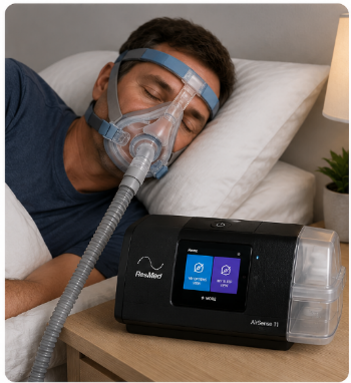
There is actually very little research on the topic, presumably because it is largely seen as a normal phenomenon, making it difficult to suggest a definitive treatment. However, we do know that as we get older, the number of hypnic jerks we will experience should decrease. The main issue to consider here is whether the hypnic jerk is causing you or your bed partner a problem? Keep in mind that there is a number of sleep disorders, such as sleep apnoea, that have symptoms which mimic the experience of hypnic jerk. If it is, then it is time to see a sleep specialist.
Source: https://www.youtube.com/watch?v=Mg_66TRsb6Y#action=share