
The sleeping disease or known by its medical term Narcolepsy, affects 1 in 2000 individuals. It can be quite harmful to patients and detrimental to their lived. Patients with narcolepsy often face deep social stigma being perceived as lazy and can find it difficult to obtain education, keep a job, can have reduced quality of life and socioeconomic consequences.
Narcolepsy has a typical onset in adolescence and is often characterised by excessive daytime sleepiness. Some of the key common symptoms needed for the diagnosis of narcolepsy include excessive daytime sleepiness, cataplexy (condition where muscles suddenly go limp or significantly weaken without warning, especially during strong emotions), hypnagogic hallucinations and sleep paralysis.
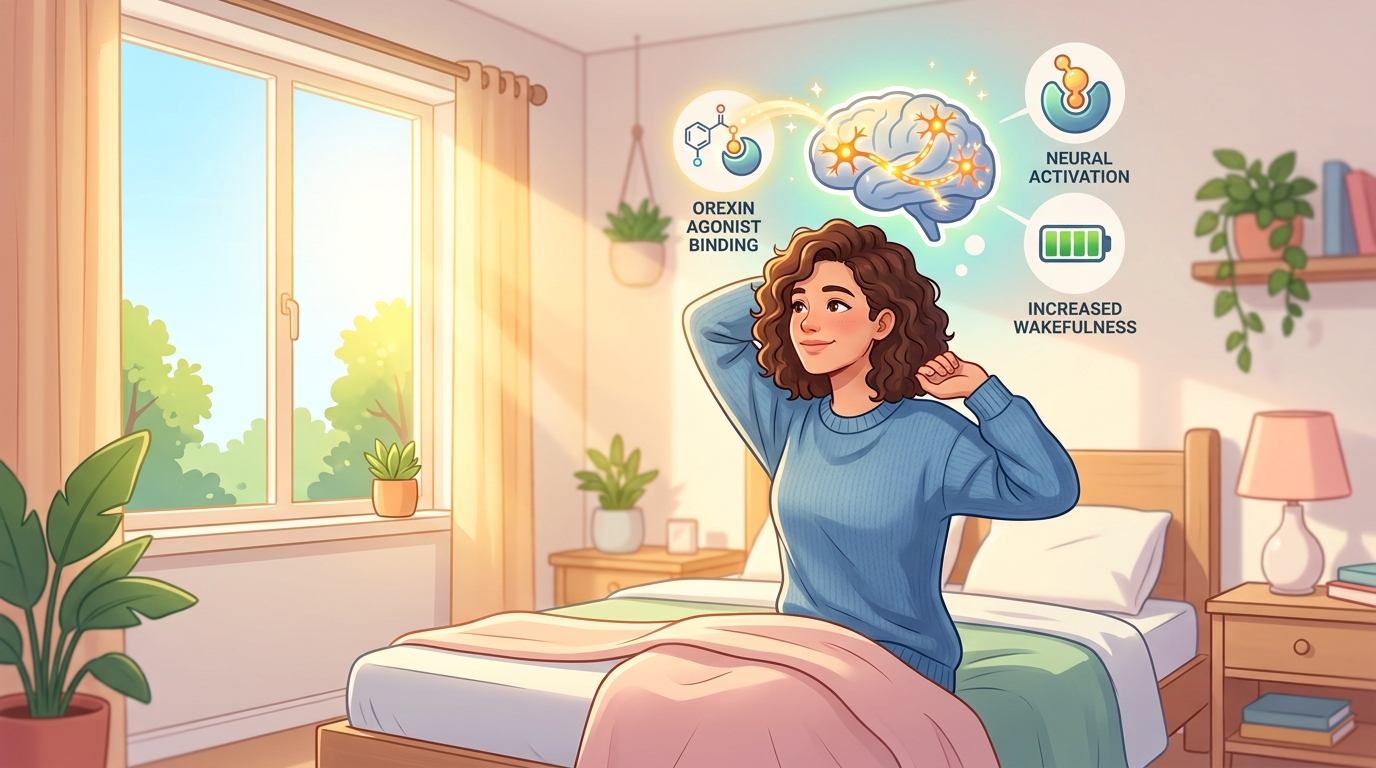
There are 3 types of Narcolepsy which include narcolepsy with cataplexy (type 1), narcolepsy without cataplexy (type 2) and narcolepsy due to medical condition (such as injury to hypothalamus). There two subtypes of narcolepsy – Type 1 (with cataplexy) is often hypothesized to be the autoimmune destruction of the hypocretin-producing neurons in the hypothalamus. Hypocretin (also known as Orexin), is a neuropeptide that regulates arousal, wakefulness and appetite. The destruction of orexin hypothesis is supported by immune-related genetic as well as environmental factors associated with narcolepsy. However, clear evidence of this autoimmune hypothesis is yet to found. Individuals with type 2 (without cataplexy), generally have less severe symptoms and normal levels of orexin in the brain.
The treatment of narcolepsy can include wakefulness-promoting agents such as armodafinil, lifestyle changes, taking short naps among other medication, with each depending on the severity of the patient. However, narcolepsy must first be diagnosed by a positive MSLT test (multiple sleep latency test) following a Polysomnogram (sleep study).
To find out more, feel free to have a look at some of the articles below. If you feel like you may be experiencing signs of symptoms related to narcolepsy, speak to your doctor and book in for a sleep test.
References:
• Kornum, B. R., Knudsen, S., Ollila, H. M., Pizza, F., Jennum, P. J., Dauvilliers, Y., & Overeem, S. (2017). Narcolepsy. Nature Reviews Disease Primers, 3(16100 ). https://doi.org/10.1038/nrdp.2016.100
• Longstreth, W. T., Koepsell, T. D., Ton, T. G., Hendrickson, A. F., & van Belle, G. (2007). The epidemiology of narcolepsy. Sleep, 30(1), 13–26. https://doi.org/10.1093/sleep/30.1.13
• Schöne, C., & Burdakov, D. (2016). Orexin/hypocretin and organizing principles for a diversity of wake-promoting neurons in the brain. Behavioral Neuroscience of Orexin/Hypocretin, 51–74. https://doi.org/10.1007/7854_2016_45
• U.S. Department of Health and Human Services. (2022, April 25). Narcolepsy fact sheet. National Institute of Neurological Disorders and Stroke. Retrieved June 9, 2022, from https://www.ninds.nih.gov/health-information/patient-caregiver-education/fact-sheets/narcolepsy-fact-sheet