
We are in the era of smart applications; people want to use their smartphone applications (apps) to track everything that they do. People commonly are interested in improving their health and fitness, and as a result, the number of apps dedicated to these issues has grown rapidly.
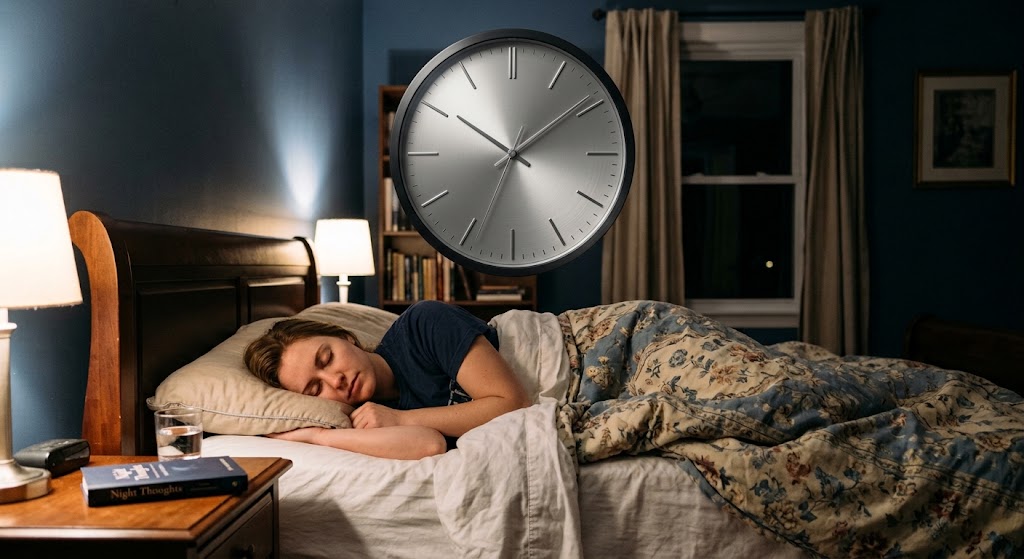
Some people often calculate how many calories they are consuming, how many steps they walk daily and now they are interested to track the amount of sleep that they achieve every night. These apps with sleep have a broad range of functions, including smart-alarm clocks, sleep aids, sound recording during sleep, and sleep analysis. For most people, using a monitor to track sleep is not going to be a problem. In fact, according to Sleep Health Foundation it might help some people understand and review their sleep and wake patterns, and this may ultimately improve their sleep. For example, noticing a pattern of repeatedly going to bed late and sleeping less than required may help the user adjust their sleep habits to allow for longer sleep, they argue.
The problem is in the false data that these could provide. Many apps provide data on sleep structure; nevertheless the algorithms are not validated by scientific literature or studies. Since patients may inquire about their sleep habits from these apps, it is necessary for physicians to be aware of the most common apps and the features offered and their limitations in order to properly counsel patients.
If people have a sleep disorder, tracking sleep with one of these monitors might give you some false data. It could also create more anxiety about not getting ‘enough’ sleep and lead to more difficulty sleeping. It may have importance in increasing the user’s awareness of sleep matters, but it is not yet precise to be used as a clinical tool or replace the accurate diagnosis.
References
• Adrian A. Ong, , M. Boyd Gillespie. Overview of smartphone applications for sleep analysis. World Journal of Otorhinolaryngology-Head and Neck Surgery. Volume 2, Issue 1, March 2016, Pages 45–49
• Sleep Health Foundation. Sleep Tracker technology. Available on: http://www.sleephealthfoundation.org.au/fact-sheets-a-z/724-sleeptracker.html,