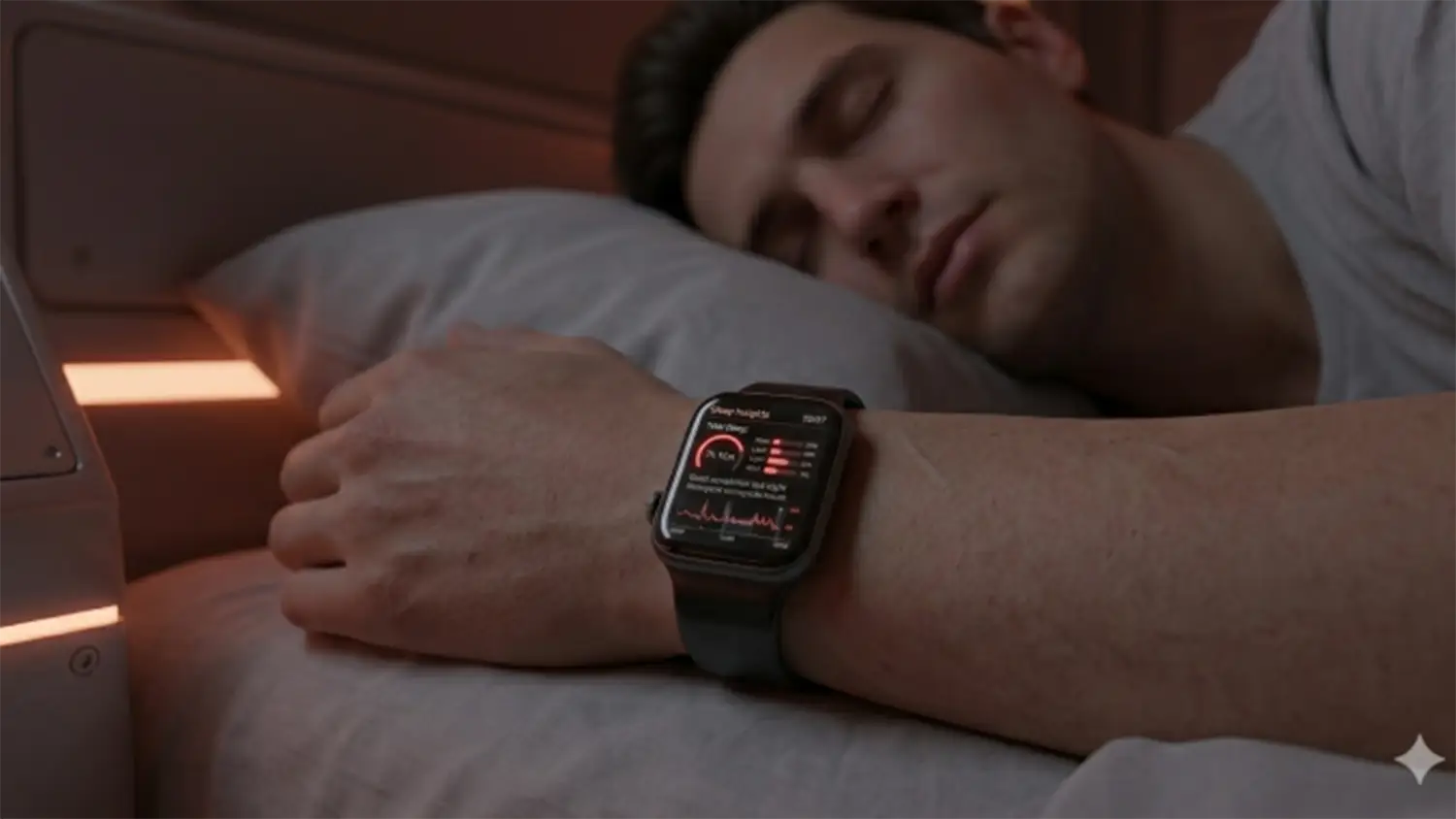

Sleeping is an essential part of our lives. Most of us aim to achieve around 7-8 hours per night. When we wake up in the morning we feel refreshed and ready to start the day! But have you ever stopped to wonder what would happen if we didn’t sleep? At some time during our lives we may become sleep deprived. Lifestyle changes can affect the amount of sleep we achieve; having children, working extra hours, out late to dinner or seeing a show, or even staying up to watch a sun rise. When we are tired the brain will send signals to the body to sleep. We also receive signals from the environment when it gets dark that it is time to rest. Toward the end of the day Adenosine and Melatonin levels rise and send us into a light dose. As we fall deeper into sleep our breathing and heart rate slow down, our temperature decreases and our muscles relax. This sleep stage called Non REM, which occurs before REM, not only replenishes energy for the next day but is integral to DNA repair. Thus going without sleep our bodies would struggle to perform to their full potential impairing our next-days physical and mental performance.
There is an accumulation of waste products in the brain during the day. Our cells use the energy source in the body and when they are broken down by-products such as Adenosine build up and increase the urge to sleep, a phenomenon known as sleep pressure. For the coffee lovers, this is how caffeine keeps us awake by blocking the Adenosine receptor pathways. The Glymphatic system which is a clean-up mechanism, removes the build-up of waste products in the brain. This system is much more active when we sleep by releasing cerebrospinal fluid to remove the accumulation of the cells toxic by-products. The pathways of immune cells, lymphatic vessels, were recently discovered in the brain to also assist with the clearing out of these waste products.
So what happens if we didn’t sleep? Around 30% of adults and 66% of adolescents are regularly sleep deprived. Not getting enough sleep can cause hormonal imbalances leading to serious health consequences. Human Growth Hormone, or HGH, peaks during sleep, insufficient sleep may decrease cell growth and cell-repair throughout the body. This alteration in hormones, particularly the regulation of appetite and metabolism, can lead to type 2 diabetes and obesity. Chronic poor and restricted sleep can cause serious bodily harm, affecting your learning, memory, mood and reaction time. Sleeplessness may also cause high blood pressure, inflammation, hallucinations and more seriously death. Did you know that regularly sleeping less than 6 hours a night can increase your risk of stroke by 4 and half times? Research suggests that when the brain is sleep deprived it will not function normally, with reduced energy levels, unstable moods and excessive sleepiness during the day causing micro sleeps, episodes that contribute to traffic accidents when drowsy drivers fall asleep at the wheel. In the extreme case fatal familial insomnia, a rare inherited autosomal brain disease, is a genetic mutation where you lose the ability to fall asleep causing progressive deterioration of mental and movement functions. From onset of symptoms dementia or death can occur in as little as 9 months.