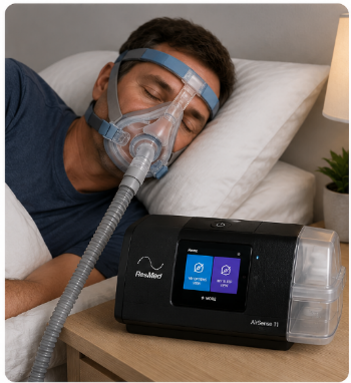

Continuous positive airway pressure (CPAP) is the first line treatment for sleep apnoea and the pressure is typically delivered through a nasal mask while the patient sleeps. Side effects can include rhinitis or airway dryness and the use of heated humidifiers can help to combat these symptoms.
This recent study evaluated what effect the use of nasal CPAP had on the nostrils of patients. 36 patients with no previous nasal pathology were tested before and after 2 months of CPAP use. Patients were divided in either compliant (>4hrs/night) or non-compliant (<4hrs/night) CPAP users.
Clinical changes measured included Ear, nose & throat (ENT) symptoms, Epworth Sleepiness Score (ESS), anxiety/depression scales, rhinoconjunctivitis-specific and general quality of life changes.
ENT examination, computed tomography assessed anatomical changes. Auditive and Eustachian tube function, nasal flow, mucociliary transport assessed functional changes while nasal cytology was also measured.
A significant improvement was observed in daytime sleepiness, anxiety and depression. Nasal dryness, increased neutrophils in nasal cytology and deteriorating ciliary function were observed, particularly in the compliant group. No other significant differences were observed. The only factor predictive of compliance was baseline sleepiness.
Even without previous nasal pathology, nasal CPAP was found to increase rhinitis and airway dryness but also improved clinical factors such as daytime sleepiness. Humidifiers have been shown to improve symptoms of dryness, however in this study dryness did not affect compliance.
Original article: