

05 Feb AI is Here
AI Enhances Diagnosis and Treatment of Sleep Disorders
Sleep disorders, affecting millions of people globally, are often difficult to diagnose and treat effectively. However, a team at Stanford University is pioneering a new approach by using Artificial Intelligence (AI) to improve both the accuracy of diagnoses and the quality of treatments for these conditions.
Traditionally, diagnosing sleep-related issues like insomnia or sleep apnea involves time-consuming processes, often requiring patients to undergo uncomfortable overnight studies at sleep clinics. Now, AI is streamlining this process by analyzing complex sleep data faster and with greater precision. By examining subtle patterns in brain activity, heart rate, and breathing, AI can help doctors identify disorders that may otherwise go undetected.
A key breakthrough is AI’s ability to analyze data from home-based sleep studies, eliminating the need for in-person visits to specialized clinics. This not only makes the diagnostic process more accessible but also significantly reduces waiting times. With AI-powered tools, doctors can detect sleep disorders more quickly, enabling faster intervention and more personalized treatment plans tailored to the specific needs of each patient.
Moreover, wearable technology integrated with AI is making it easier for patients to track their sleep patterns in real-time. These devices collect data throughout the night, helping both patients and doctors monitor progress and make adjustments to treatment when necessary.
The implications for the future of sleep medicine are vast. By leveraging AI’s capabilities, researchers are opening the door to a new era of precision medicine, where sleep disorders can be diagnosed earlier, treated more effectively, and better managed long-term.
Stanford’s groundbreaking research is paving the way for a future where AI helps millions sleep better and lead healthier lives.
https://med.stanford.edu/news/all-news/2026/01/ai-sleep-disease.html
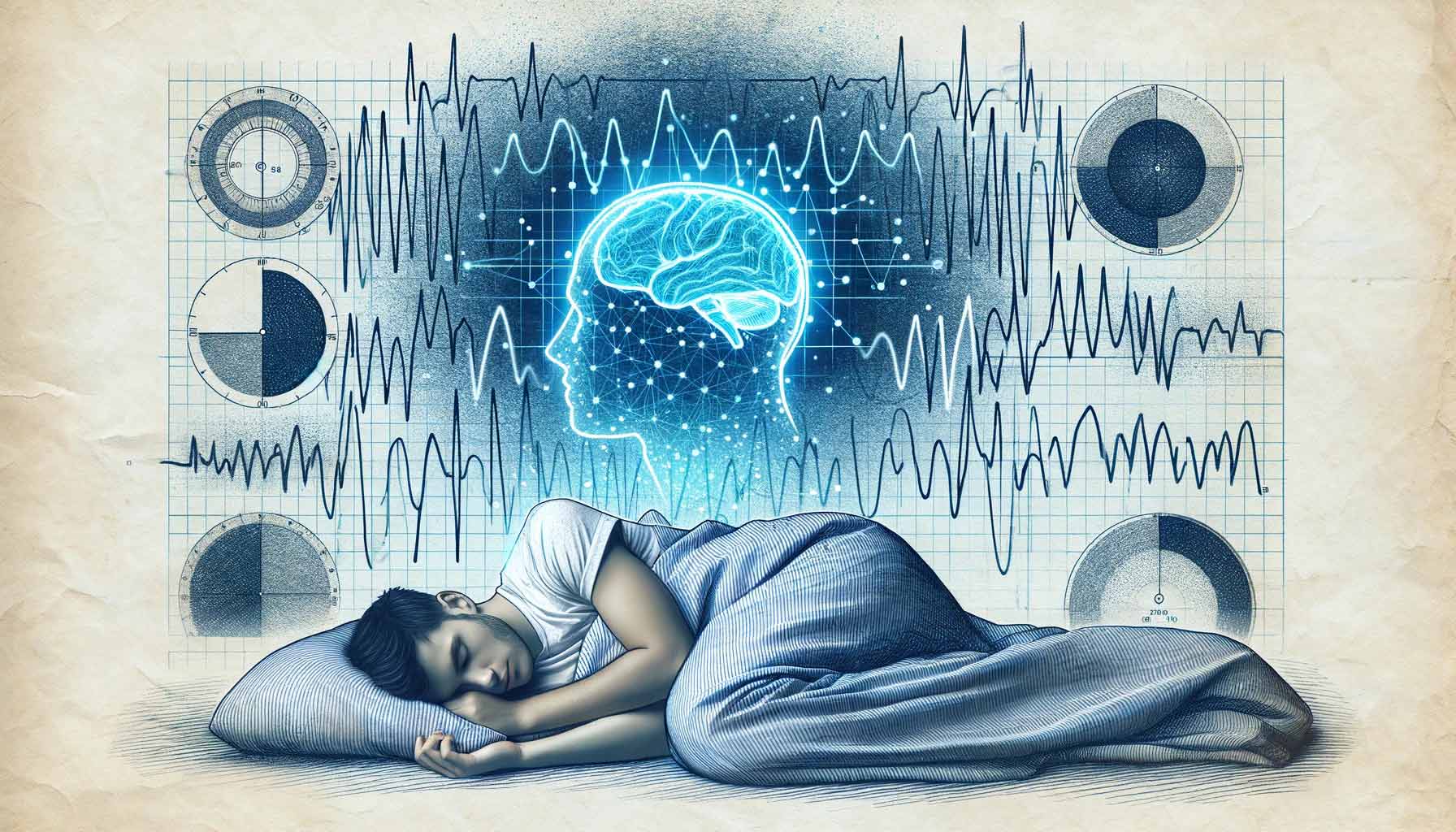
Pic: AI in Sleep Research