
Anxiety and Your Sleep
Many individuals with anxiety disorders try to avoid situations that might trigger heightened worry. However, this approach doesn’t address the root cause of their anxiety and can interfere with both work and personal life. Over time, someone with anxiety may become so accustomed to feeling anxious that a state of distress or fear starts to feel normal.
The Connection Between Anxiety and Sleep
Sleep disturbances, especially insomnia, are commonly associated with anxiety disorders. People who struggle with anxiety often spend their nights ruminating over their worries, which can make it difficult to fall asleep.
Mental hyperarousal, often characterised by constant worry, has been identified as a major factor contributing to insomnia. Those with anxiety disorders tend to experience greater sleep reactivity, meaning they are more likely to have sleep difficulties when under stress.
Studies have shown that individuals with various forms of anxiety—such as generalized anxiety disorder, OCD, and PTSD—are particularly vulnerable to sleep problems. For example, over 90% of military veterans with PTSD report experiencing insomnia (National Institute of Mental Health, 2023)
The anxiety about falling asleep itself can create what is known as “sleep anxiety,” which can intensify the sense of dread associated with bedtime. This anticipatory anxiety can disrupt sleep routines and make it harder to maintain healthy sleep habits. Research suggests that anxiety, coupled with pre-sleep rumination, can affect REM sleep, leading to vivid dreams or nightmares, which in turn increase sleep disruptions and fear around sleeping.
At the same time, there is strong evidence that sleep deprivation can exacerbate anxiety disorders. People prone to anxiety are particularly sensitive to how lack of sleep impacts their mood and emotional well-being. This creates a bidirectional cycle: anxiety causes poor sleep, and lack of sleep worsens anxiety.
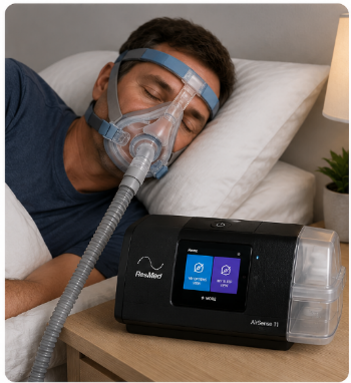
Those with obstructive sleep apnoea (OSA), a condition that causes repeated breathing interruptions during sleep, also have higher rates of mental health issues, including anxiety, depression, and panic disorders.
To improve sleep quality, it’s important to establish healthy sleep habits. Making the bed more comfortable, reducing environmental disruptions like light and noise, and avoiding caffeine and alcohol before bed can all help promote better sleep.
Relaxation techniques, such as deep breathing, mindfulness meditation, and guided imagery, can help reduce anxiety and make it easier to fall asleep. These exercises, which are often part of cognitive-behavioural therapy (CBT), can help break the cycle of worry and rumination. Another helpful approach is to schedule specific times during the day to focus on worries, which can reduce anxiety at bedtime.
References
- National Institute of Mental Health (2023). Anxiety Disorders. [online] National Institute of Mental Health. Available at: https://www.nimh.nih.gov/health/topics/anxiety-disorders [Accessed Nov. 20AD].