
Not all automatic-titrating CPAP machines are the same!
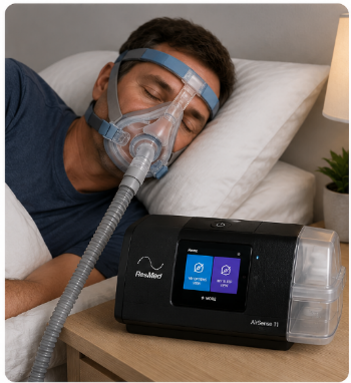
Recent technology developments have revolutionised CPAP machines in the past years with machines becoming sleeker, reducing noise, whilst increasing capability to capture and report data.
Further to this, automatic-titrating CPAP (or more commonly know as APAP) has given some users better comfort and compliance by allowing a lower average pressure to be delivered overnight; these machines delivering the highest pressures only when needed as a result of more advanced and sophisticated technology.
In the past manufacturers have always kept their in-house CPAP technology secret, leaving each brand doing things a little bit differently, which can then impact on treatment efficacy for patients. This variation has prompted research investigating the propriety of automatic-titrating devices as the technology has emerged from leading manufacturers. Since its introduction APAP has been proven as an acceptable tool to assist physicians to determine pressure requirements or as a treatment modality for patients who tolerate the treatment better than set pressure (CPAP). The availability of APAP further serves as an option to users in remote and/or regional areas, who may not have easy access to a sleep laboratory testing to determine their respective treatment pressure(s).
Presently the trend of increasing APAP machines continues, but can you be sure that any machine will do? The cheapest option may not necessarily be the best way to go.
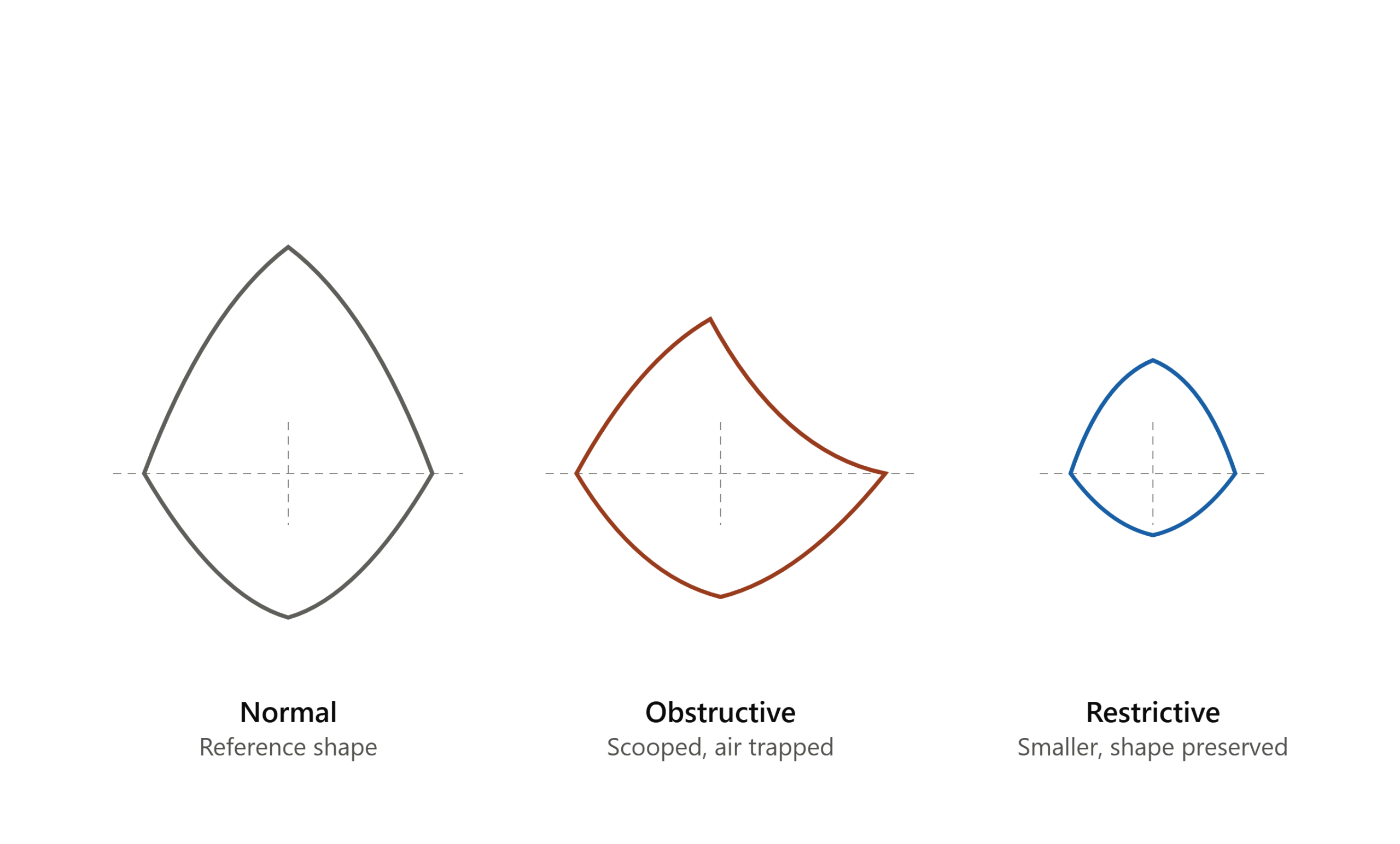
A study in 2015 (link provided below) compared eleven (11) APAP machines in their ability to react to sleep disordered breathing sequences as produced by an active lung simulator. The results revealed large inconsistencies between at least half of these machines and their capabilities to normalise breathing in patients exhibiting varying degrees of airway obstructions respectively.
At the end of the day, it’s important to remember that CPAP and APAP machines are medical devices. Many (if not most) sufferers of sleep-disordered breathing depend upon CPAP and/or APAP machines to effectively and consistently treat their sleep disorders in order to help raise their quality of life. Technology is always advancing and changes are constantly being made.
It is highly recommended to consult your health professional team when it comes down to selecting a CPAP or (if needed) APAP therapy machine, as they will have daily, real-world experience with these devices; and will more likely be available to support you with any technical difficulties you may experience with ongoing use of your machine.
References:
https://www.ncbi.nlm.nih.gov/pubmed/25766708
All APAPs Are Not Equivalent for the Treatment of Sleep Disordered Breathing: A Bench Evaluation of Eleven Commercially Available Devices.
https://www.ncbi.nlm.nih.gov/pubmed/11902425
The use of auto-titrating continuous positive airway pressure for treatment of adult obstructive sleep apnea. An American Academy of Sleep Medicine review.