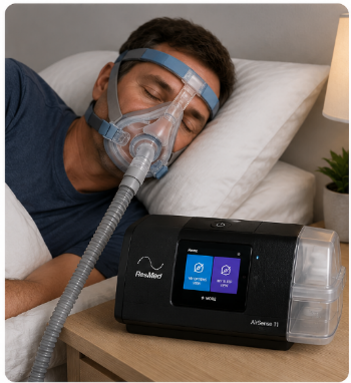

Sleep and pain are bidirectional; pain can interfere with sleep and sleep disruption can intensify pain. This can become in a vicious cycle and cause serious issues for many people. Sleep patterns share common pathways with nociceptive stimuli. Several important factors are reviewed in considering connections between sleep and pain. Causes for sleep fragmentation include sleep disordered breathing; abnormal leg movements, including restless legs syndrome and periodic limb movements; and underlying mood disorder, which may be exacerbated by physical symptoms.
Recently one article was published by ScienceDaily where cited one research form the University of Warwick in United Kingdom[1] which describes that medical conditions such us back pain, fibromyalgia, and arthritis are directly linked with negative thoughts about insomnia and pain, and this can be effectively managed by cognitive-behavioural therapy (CBT).
This group of researchers have done psychometric evaluation and validation of the scale called Pain-Related Beliefs and Attitudes about Sleep (PBAS), it was tested on four groups of patients suffering from long-term pain and bad sleeping patterns [2], the results show that this is a reliable instrument for evaluating the role of beliefs about the sleep-pain interaction, in chronic pain patients, Because, people who consider they are not able to sleep, could as a result of their pain are more likely to suffer insomnia, thus causing worse pain. The results show that the scale was essential in predicting patients’ level of insomnia and pain difficulties. With better sleep, pain problems are significantly reduced, especially after receiving a short course of CBT for both pain and insomnia.
References:
[1] University of Warwick. (2016, September 21). Sleep is key to curing chronic pain. ScienceDaily. Retrieved September 29, 2016 from www.sciencedaily.com/releases/2016/09/160921084808.htm
[2] Afolalu EF, Moore C, Ramlee F, Goodchild CE, Tang NK. Development of the pain-related beliefs and attitudes about sleep (PBAS) scale for the assessment and treatment of insomnia comorbid with chronic pain. J Clin Sleep Med 2016;12(9):1269–1277