
For many people who stop breathing in their sleep (a condition called sleep apnoea), simply changing how they sleep could make a big difference. New research shows that your sleeping position can greatly affect whether you have breathing problems at night.
What is Positional Sleep Apnoea (POSA)?
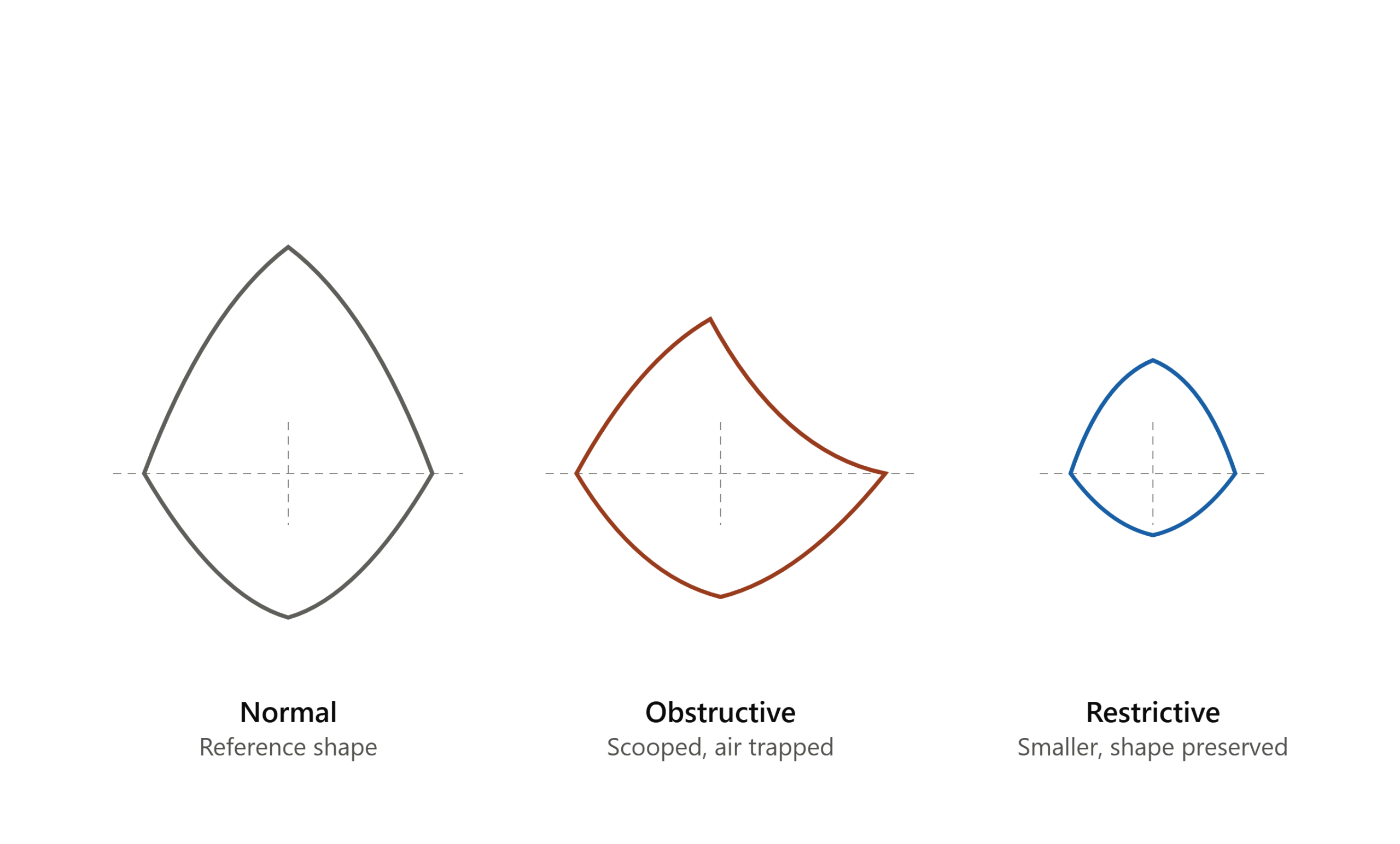
Imagine your throat muscles relaxing so much during sleep that they block your airway. That’s sleep apnoea. For a lot of people, this problem is much worse when they sleep on their back. When that’s the case, it’s called “positional” sleep apnoea (POSA).
A recent study found that a surprising 62% of people with sleep apnoea actually have POSA. This means for most people, their sleep position plays a huge role in their breathing troubles.
Two Types of Positional Sleep Apnoea
The research dug a bit deeper and found two main types of POSA:
- Supine-Isolated OSA (siOSA): This is the milder type. If you have siOSA, your breathing problems pretty much disappear when you’re not sleeping on your back. These individuals are often younger, less overweight, and more commonly female.
- Supine-Predominant OSA (spOSA): This is the more common and serious type. If you have spOSA, your breathing is worst on your back, but you still have issues even when you’re on your side. These people tend to have more severe sleep apnoea and are more likely to have other health problems like diabetes and high blood pressure.
Why This Matters for You
Understanding these types is important for finding the right treatment:
- For the milder siOSA, simple solutions like devices that keep you from rolling onto your back might be all you need for a good night’s sleep.
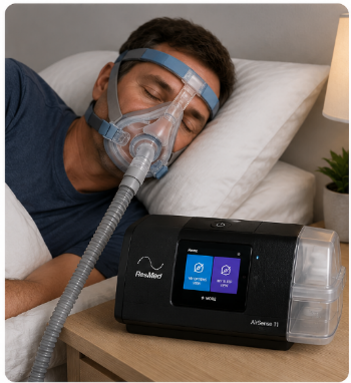
- For the more serious spOSA (or if your sleep apnoea isn’t positional), you’ll likely need other treatments, like a CPAP machine.
In short, if you have sleep apnoea, paying attention to your sleep position could be a key step toward breathing better and feeling healthier!
Reference:
Duce, B.L., Kulkas, A.E., Leppänen, T.T., Oksenberg, A., Töyräs, J., & Hukins, C.A. (2025). Community prevalence of positional obstructive sleep apnea. Journal of Clinical Sleep Medicine, 21(5), 875-882.