

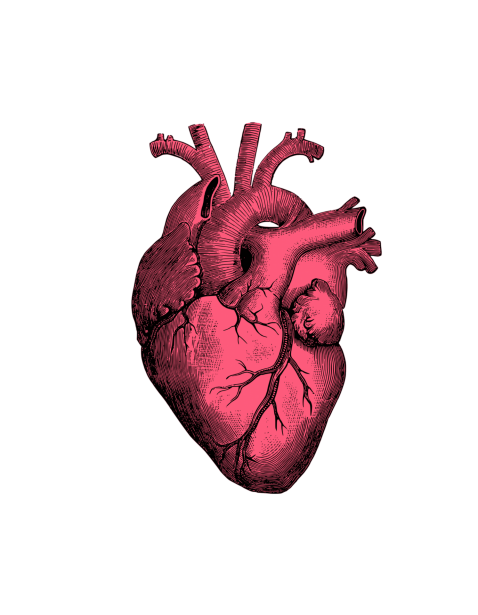
17 Mar OSA and cardiovascular disease
Untreated obstructive sleep apnoea (OSA) is a significant driver of cardiovascular disease. While often dismissed as mere snoring or fatigue, the repeated cessation of breathing triggers a “fight-or-flight” response, flooding the body with adrenaline and cortisol. This results in acute vasoconstriction, spiking both heart rate and blood pressure. Over years, these nightly surges “reset” the body’s baseline, leading to chronic, medication-resistant hypertension.
The primary mechanism of damage is intermittent hypoxia, which is the rapid cycle of oxygen desaturation and reoxygenation. This process acts as a biological accelerator for arterial decay. Research by Tamisier et al. (2014) confirmed that even short-term exposure to intermittent hypoxia elevates daytime blood pressure in humans. Furthermore, Jun et al. (2010) demonstrated that this oxygen instability accelerates plaque build-up in atherosclerosis-prone models, while other studies show it increases both the risk and severity of myocardial infarctions (heart attacks).
This nightly physiological stress causes structural and chemical damage:
• Vascular Damage: Oxidative stress from hypoxia creates systemic inflammation, damaging the endothelium (blood vessel lining) and promoting plaque rupture.
• Cardiac Strain: The heart is forced to pump against high pressure while oxygen-starved, leading to heart failure or atrial fibrillation.
• Neurological Risk: Accelerated plaque and hypertension significantly increase the likelihood of ischemic stroke.
Ultimately, OSA transforms from a nocturnal annoyance into a life-threatening systemic disorder. Addressing the airway obstruction is not just about improving sleep quality; it is a critical intervention to prevent irreversible cardiovascular collapse.
Reference:
https://pmc.ncbi.nlm.nih.gov/articles/PMC6321896/